KAMPALA – Ugandans have been put on high alert after the Ministry of Water and Environment issued an early warning over a looming 2026/2027 El Niño weather event, cautioning that the country could face above-normal rainfall, devastating floods, deadly landslides, disease outbreaks and widespread disruption of livelihoods in the coming months.
In a weather advisory dated July 30, 2026, the Ministry, through the Department of Meteorological Services (DMS), warned that global climate monitoring centres and the World Meteorological Organization have detected an increased likelihood of an El Niño event developing during the second half of 2026, with the possibility of persisting into 2027.
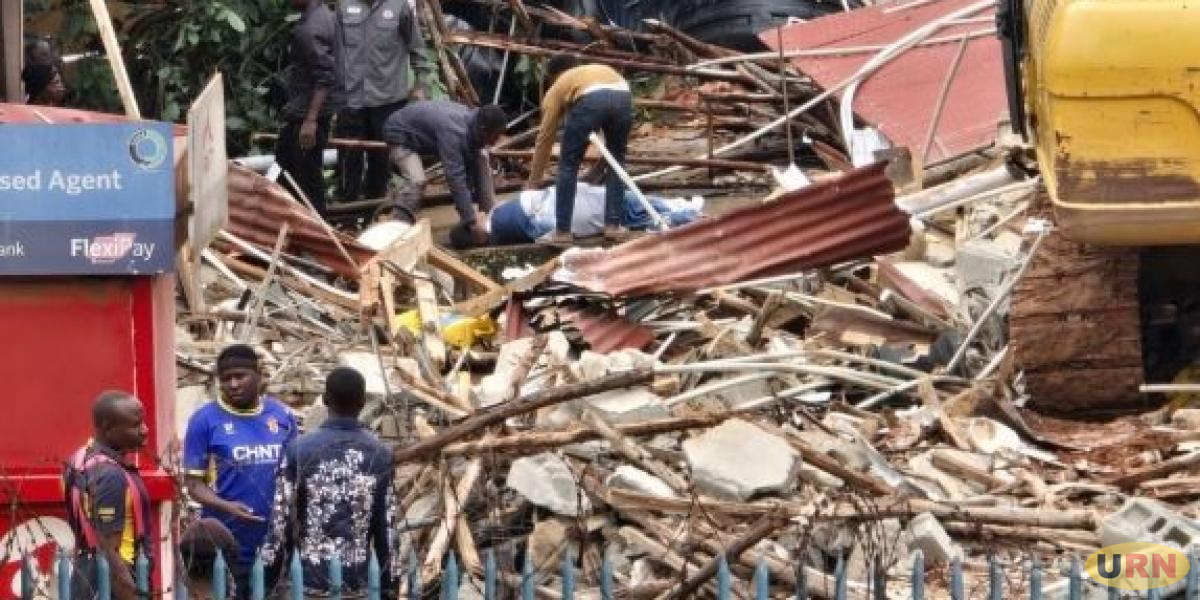
If the forecasts hold, Uganda could once again witness scenes of overflowing rivers, submerged roads, collapsing hillsides, destroyed homes and thousands of displaced families as heavy rains pound many parts of the country.
According to the advisory, El Niño is a naturally occurring climate phenomenon caused by warmer-than-normal sea surface temperatures in the central and eastern equatorial Pacific Ocean. Although it occurs thousands of kilometres away, its effects are felt across East Africa, where it has historically been associated with intense rainfall and extreme weather.
The Ministry notes that previous El Niño events have brought widespread flooding, infrastructure destruction, outbreaks of waterborne diseases and major disruptions to livelihoods.
While officials say the exact strength of the expected event is still being assessed, preliminary climate outlooks already indicate a high probability of above-normal rainfall between September and December (SOND) across several parts of Uganda.
Flood Hotspots Identified
The advisory highlights several areas expected to face the greatest danger if rainfall intensifies.
These include flood-prone lowlands, urban centres with poor drainage systems, river catchments, wetlands and mountainous regions vulnerable to landslides.
Cities already struggling with blocked drainage channels could experience severe flooding, while communities living on steep slopes may face increased risks of landslides that could destroy homes and claim lives.
Transport networks, bridges and other public infrastructure may also come under pressure as heavy rains intensify.
Health Fears Rise
Beyond physical destruction, the Ministry warns that excessive rainfall could trigger disease outbreaks.
Flooding often contaminates water sources, increasing the spread of waterborne illnesses while stagnant water creates breeding grounds for mosquitoes, raising concerns over malaria transmission.
Agriculture, one of Uganda’s economic backbones, could also be severely affected, with farms exposed to flooding, crop destruction and livestock losses.
Government Monitoring Situation
The Ministry says it is closely monitoring the evolution of the climate phenomenon through continuous analysis of global, regional and national climate conditions.
Working alongside regional and international climate centres, officials say they will continue issuing weather forecasts, advisories and early warning information to support preparedness and informed decision-making.
Public Told to Prepare Now
Rather than waiting for disaster to strike, the Ministry is urging government agencies, local leaders, institutions, businesses and households to begin preparations immediately.
Authorities have advised communities to strengthen disaster preparedness and response plans, clear drainage channels and flood pathways, avoid settlement and cultivation in flood- and landslide-prone areas, enhance community awareness, and prepare contingency measures across climate-sensitive sectors including agriculture, health, transport, water resources and infrastructure.
The Ministry also urges Ugandans to follow official weather updates issued through the Department of Meteorological Services instead of relying on rumours circulating on social media.
Media Asked to Spread Accurate Information
Recognising the critical role of the media during emergencies, the Ministry has appealed to journalists and media houses to help disseminate accurate and timely weather information to communities across the country.
Officials emphasise that early warning and early action save lives, protect livelihoods and reduce disaster-related losses, adding that regular updates will continue as the anticipated El Niño event develops.
Ugandans have also been encouraged to monitor official forecasts issued at different timescales—including six-hour, 24-hour, 10-day, 30-day and seasonal outlooks—to stay informed and take appropriate precautions before the rains intensify.
The advisory was signed by Permanent Secretary Dr. Alfred Okot Okidi, signalling the government’s determination to ensure the country is better prepared should the anticipated El Niño event materialise.
GOT A HOT STORY? LET US KNOW!
Got breaking news, explosive secrets, or hard evidence?
Email us: [email protected]
We accept tips, documents, videos, photos, and recordings—the more evidence you have, the better.
CONFIDENTIALITY IS OUR TOP PRIORITY. SOURCES ARE ALWAYS PROTECTED!