Namibia is set to establish its first pharmaceutical manufacturing plant in Okahandja through a joint-venture partnership with Cuba, following a recent Cabinet decision aimed at boosting local production of essential medicines, the Office of the Prime Minister revealed this week.
The strategic initiative leverages South-South cooperation to facilitate critical technology and skills transfer between the two nations. By bringing manufacturing capabilities onshore, the government aims to reduce reliance on medical imports and strengthen national health security.
Once operational, the Okahandja facility will not only supply Namibia’s domestic healthcare market, but is also positioned to serve as a regional hub, exporting essential medicines across the Southern African Development Community (SADC) and the broader African continent.
As an initial step, a Memorandum of Understanding is being explored between BioCubaFarma, Cuba’s state-owned pharmaceutical company, and the Namibia Institute of Pathology Ltd (NIP). Another state entity, Namibia Industrial Development Agency (NIDA), is being lined up to hold the Namibian state’s stake in the proposed joint venture.
The process is now being expedited following Prime Minister Dr Tjitunga Elijah Ngurare’s visit to Cuba in August this year, during which he toured BioCubaFarma’s facilities in Havana.
He expressed confidence in the company’s capacity to partner with Namibia, pointing to its achievements in developing Hepatitis B and COVID-19 vaccines, cancer-treatment antibodies, diabetes and neurological treatments, veterinary vaccines and medical devices.
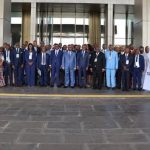
Ngurare, this week visited NIP, accompanied by Minister of Health and Social Services Dr Esperance Luvindao and Cuban Ambassador to Namibia Sergio Vigoa de la Uz.
Addressing the NIP Board and Executive Management, Ngurare called for urgent action to advance the project, noting that discussions date back to 2011.
“This cannot be stretched any further. Let’s get to work. Time is not on our side,” he said.
He urged the Ministry of Health and Social Services and NIP to take ownership of the initiative and fast-track the establishment of the plant, describing it as a matter of national interest. He also underscored the importance of research and development in building a sustainable pharmaceutical manufacturing industry.
The proposed MoU is expected to provide for three phases: an initial supply agreement for selected pharmaceutical products; technology and skills transfer; and, ultimately, the construction of a pharmaceutical manufacturing plant in Namibia.
Ambassador De la Uz reaffirmed Cuba’s commitment to the initiative and to further strengthening the longstanding bilateral relations between the two sister countries.