EZULWINI- Government is planning to introduce a national corporate governance code and strengthen board appointment requirements as part of efforts to improve leadership, accountability and institutional performance.
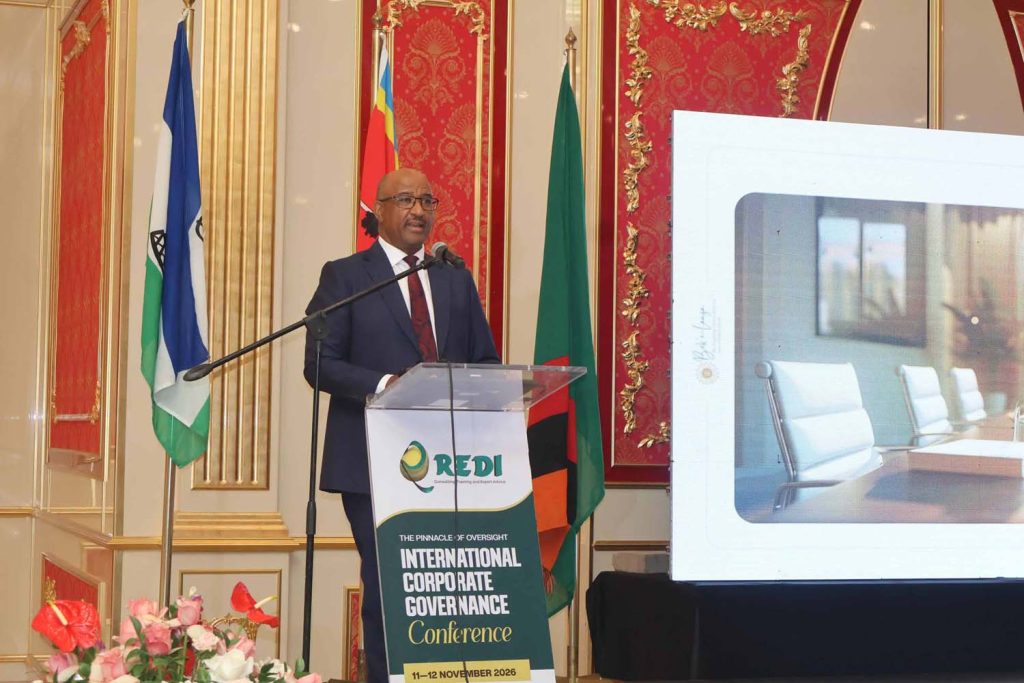
The plans were announced by Minister for Economic Planning and Development Dr Tambo Gina, who represented Prime Minister (PM) Russell Mmiso Dlamini during the International Corporate Governance Conference held at the Ezulwini Palazzo ICC.
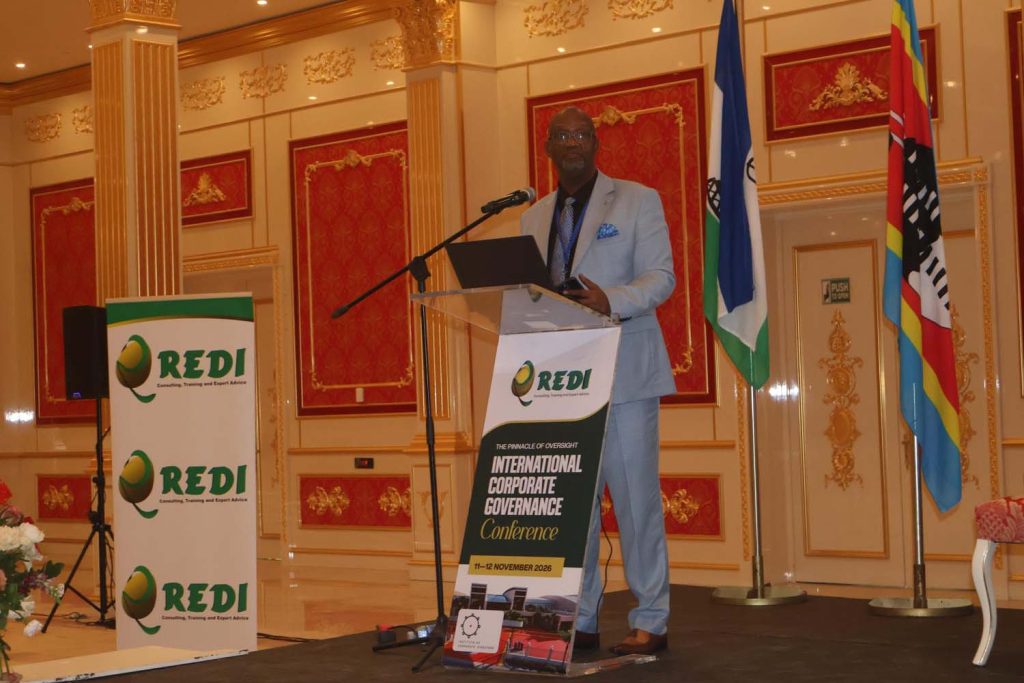
Delivering the PM’s remarks at the conference organised by the Regional Excellence and Development Initiative (REDI), Gina said government intended to support the establishment of an Eswatini Institute of directors to professionalise board service and promote ethical leadership.
The proposed reforms would also include introducing minimum fit-and-proper requirements for individuals appointed as directors and transforming the Eswatini Institute of management into a school of governance. The institution would train newly appointed board members on their duties, responsibilities and legal obligations.
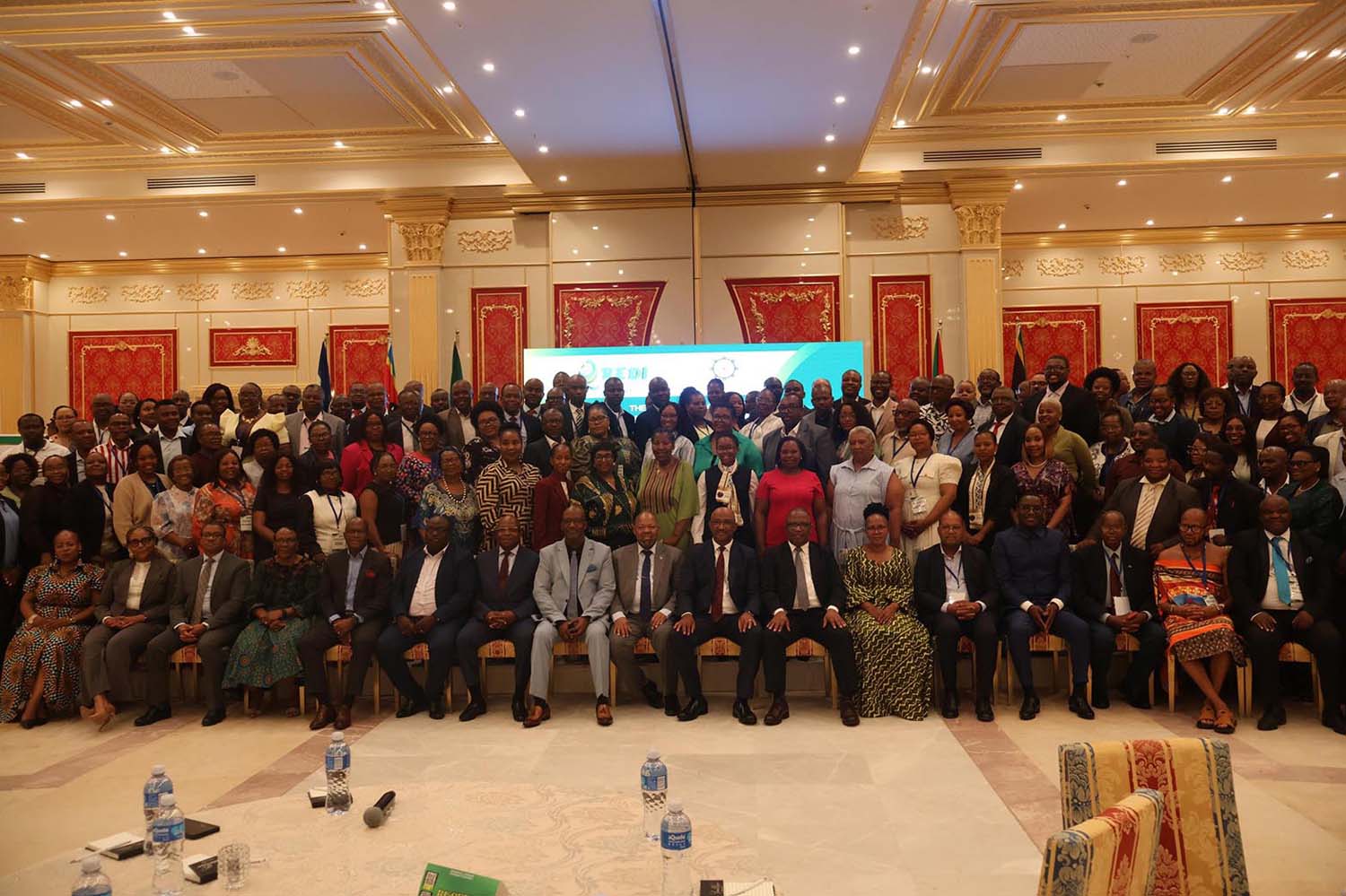
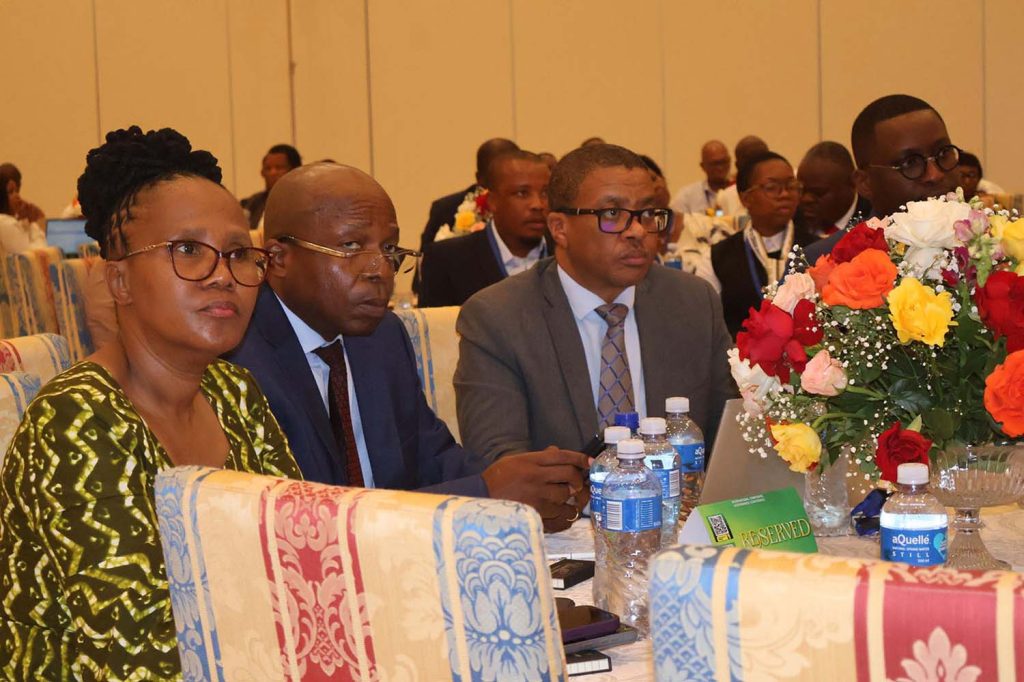
The conference, held under the theme ‘From Principles to Practice’, brought together government officials, business leaders, regulators and other stakeholders to deliberate on corporate governance and institutional performance.
In his remarks, the PM noted that although good governance was widely discussed, translating its principles into everyday institutional practices remained a challenge.
“It is easy to speak of good governance. It is far harder to practice it: In the boardroom, in the office of the Chief Executive, in the finance function, and in the daily decisions of senior management,” reads part of his speech.
He attributed the decline of some previously strong private companies and state-owned enterprises (SOEs) in Eswatini and the wider Southern African region to leadership failures rather than a lack of opportunities.
He said leadership responsibilities rested with both boards, which were responsible for oversight, and executive management, which was expected to implement institutional strategies.
The PM further raised concerns about the quality of strategic plans developed by some SOEs, saying many were merely lists of activities that institutions were already undertaking instead of clear roadmaps outlining where they intended to compete and excel.
He said credible strategic plans needed to be ambitious, innovative and realistic, adding that institutions required reliable data and rigorous analysis to identify opportunities and make informed decisions.
The relationship between boards and executive management was also highlighted as an area requiring attention.
The PM questioned whether meaningful accountability could exist where board members appointed friends to lead institutions, warning that conflicts of interest, whether declared or undeclared, undermined the independence required for effective oversight.
He also raised concerns about the independence of auditing in the country, noting that Eswatini’s relatively small economy and limited number of audit firms could create situations where auditors became too close to the institutions whose contracts they depended on.
He called for improvements in the public audit function, particularly regarding capacity, adherence to professional standards and consistency in the treatment of institutions.
On accountability, he observed that while the performance of chief executives was monitored, that of boards was rarely evaluated.
“Good governance demands that both be subject to regular, structured assessment. A Board that is not held to account cannot credibly hold management to account,” he said.
The Prime Minister also identified over-regulation and weak anti-corruption and integrity systems as challenges that needed to be addressed to improve institutional performance.
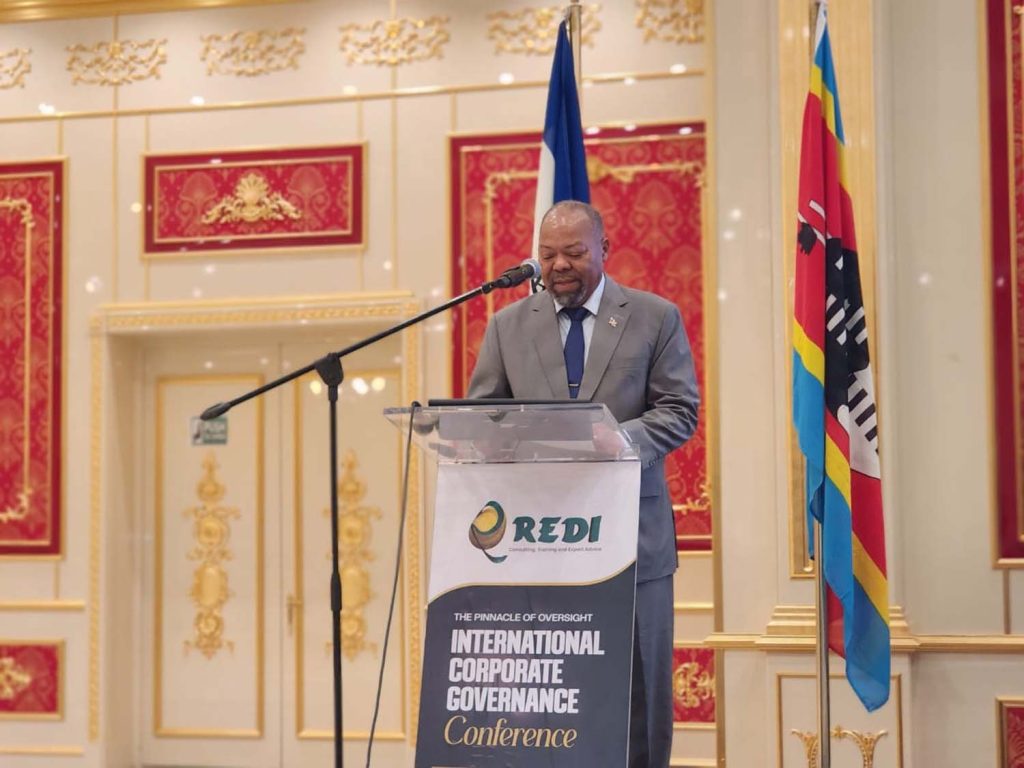
Meanwhile, Central Bank of Eswatini Governor Dr Phil Mnisi brought another dimension to the leadership discussion, emphasising that even those at the highest levels of organisations needed mentorship.
Mnisi said CEOs and other leaders should not assume that their positions meant they were expected to know everything, as they too needed guidance to remain focused and purposeful in executing their responsibilities.
“Leaders are not expected to know it all. They also need mentors to have direction and purpose when executing their duties,” he said.
His remarks challenged the perception that mentorship was primarily meant for young professionals or employees who were still finding their feet in their careers.
He highlighted the importance of leaders having people they could turn to for guidance, particularly given the responsibilities that came with steering institutions and making decisions that affected their performance.
The governor’s message reinforced the importance of continuous learning among people in positions of authority, pointing to the need for leaders to remain open to guidance rather than allowing their seniority to become a barrier to personal and professional development.
The two interventions highlighted different but complementary aspects of corporate governance: the need for stronger institutional structures and the importance of capable leadership within those structures.
The Prime Minister’s proposed reforms seek to strengthen the systems through which boards and executives are appointed, trained and held accountable, while Mnisi’s remarks highlighted the importance of continued guidance even for those entrusted with leading organisations.
The Prime Minister commended the Regional Excellence and Development Initiative (REDI), particularly its Chief Executive Officer, Dr Sikhomba Gumbi, for convening the conference, saying it provided an important platform for strengthening governance standards, transparency and ethical leadership.