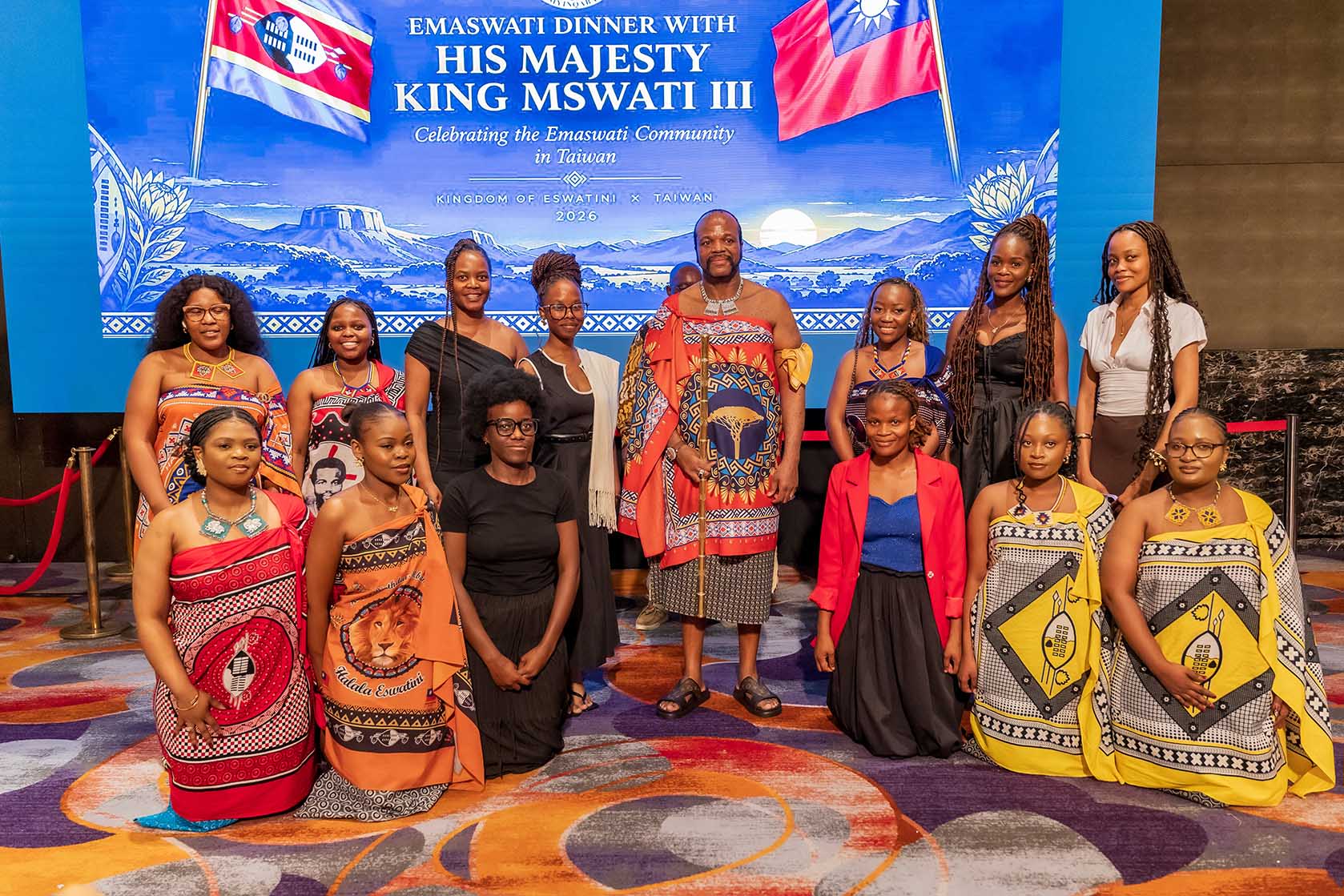
TAIPEI, TAIWAN – His Majesty King Mswati III has called for Eswatini’s Strategic Oil Reserve storage capacity to be increased from 60 to 90 days, saying the kingdom must strengthen its fuel security in the face of global supply disruptions.
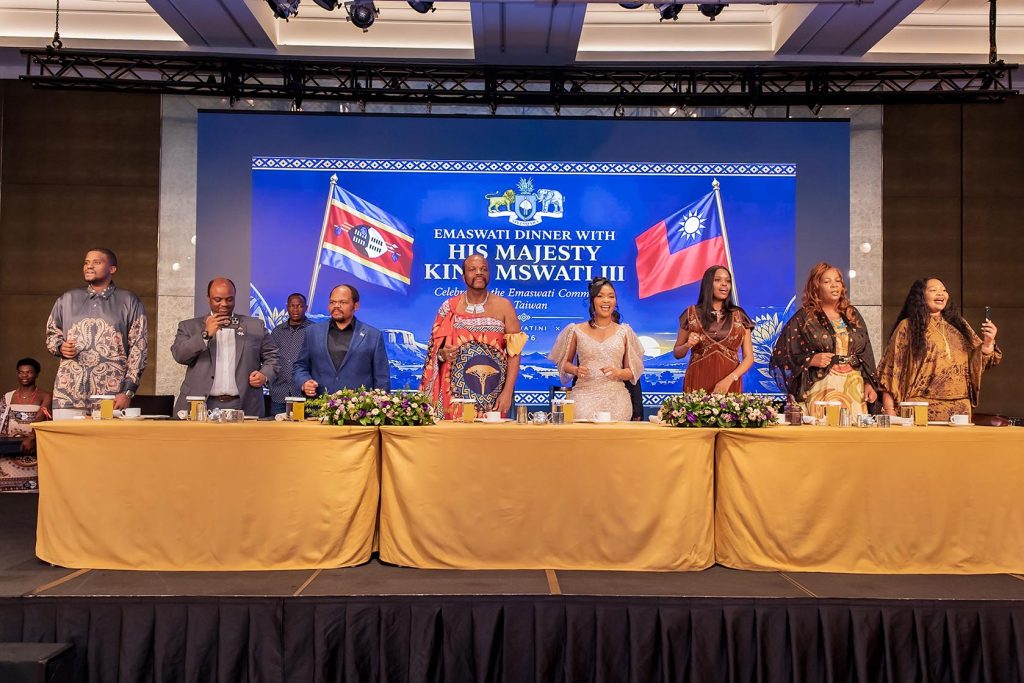
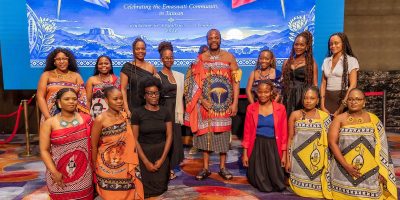
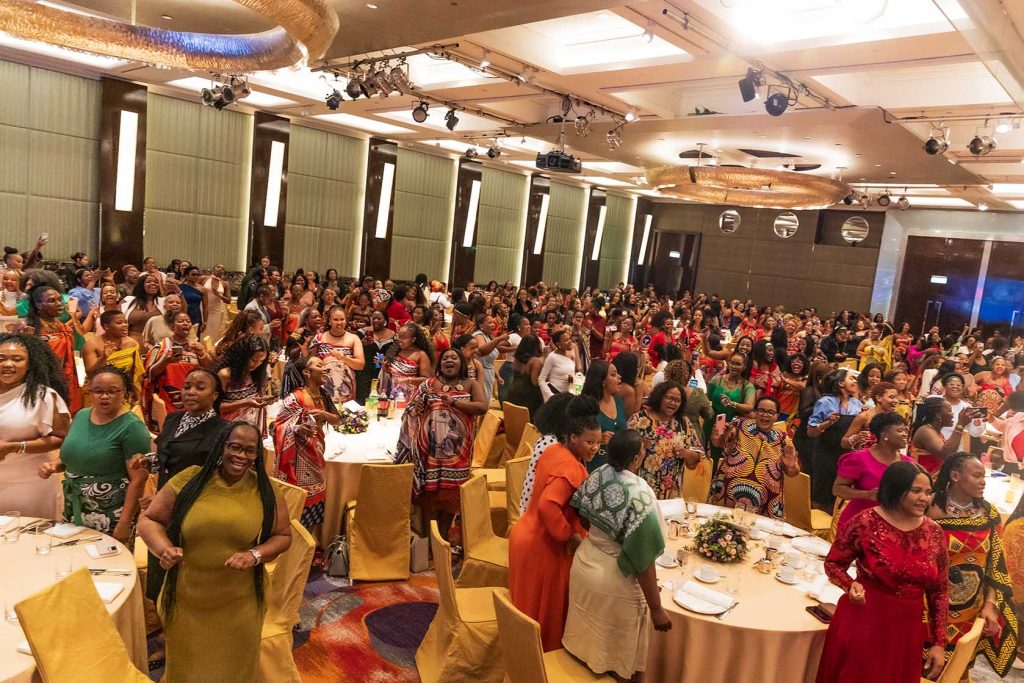
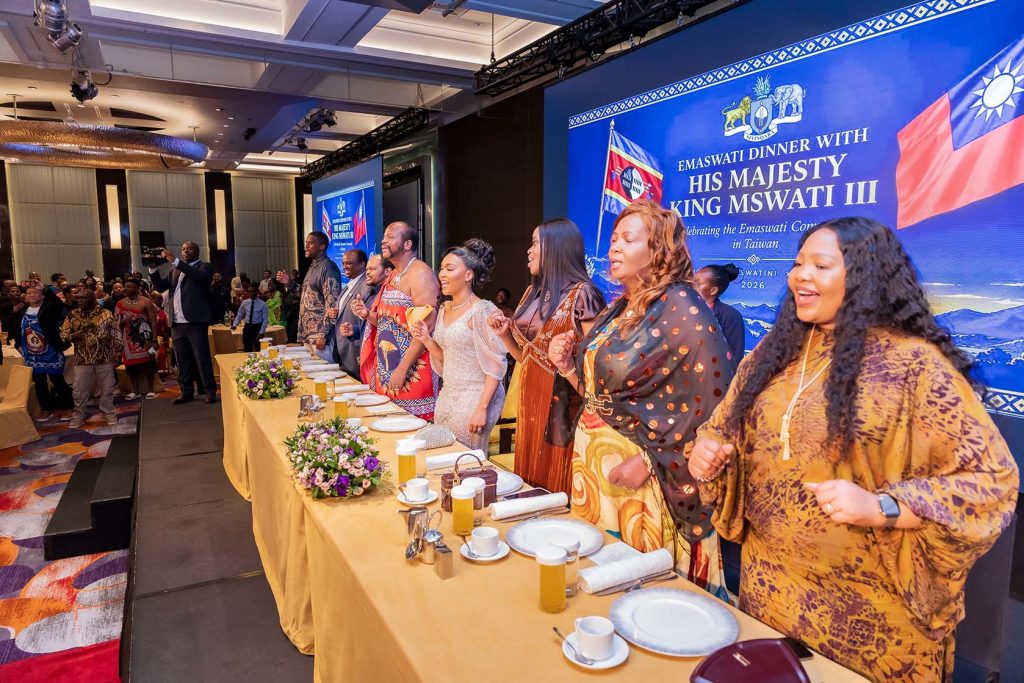
Speaking during a dinner with emaSwati students and citizens working in Taiwan, where he was accompanied by Liphovela LaZuma, the King said Eswatini had already begun implementing the oil reserve project but now needed a bigger buffer to protect the economy from fuel shortages and international market shocks.
His Majesty said the Strategic Oil Reserve is designed to cushion the country against fuel shortages, external supply shocks and volatility in international petroleum markets.
The current project is expected to provide storage equivalent to about 60 days of national fuel supply, but the King said prevailing global conditions had made it necessary to increase that buffer to 90 days.
“We have already had projects that have begun, like the Strategic Oil Reserve, currently 60 days, and we want to increase it to 90 days storage,” His Majesty told the gathering. He said Taiwan had shown support for Eswatini’s position, particularly given the global situation and the disturbances affecting fuel supply chains. The Phuzumoya Strategic Oil Reserve is one of the country’s most significant energy security investments. The project is valued at about E5.2 billion, with the facility designed to store around 80 million litres of fuel and provide the country with a strategic stockpile for emergencies.
The reserve is being developed with support from Taiwan and is expected to strengthen resilience against fuel shortages, price shocks and disruptions caused by conflict, refinery breakdowns or transport bottlenecks. His Majesty said the importance of the reserve should be understood in practical economic terms.
He said fuel powers transport, agriculture, industry, public services and the movement of goods. Any disruption, he suggested, would have consequences far beyond filling stations, reaching businesses, households and the wider national development agenda.
The proposed increase to 90 days would, therefore, give Eswatini a stronger safety margin at a time when international fuel markets remain exposed to geopolitical tension and price instability. The King indicated that the kingdom could not afford to be passive in the face of such uncertainty, saying the country had to prepare itself properly and build systems that would continue functioning during global crises. The King told the emaSwati community in Taiwan that large infrastructure investments such as the oil reserve would require trained citizens to operate, manage and sustain them. He said Eswatini needed skilled people in specialised areas, including those who understand the operation of strategic oil reserves and the wider petroleum industry.
“It will require many skilled emaSwati to oversee such projects,” he said, adding that students and professionals abroad had a duty to acquire knowledge that could be used to transform the kingdom. He said the country was looking for expertise that would help make strategic projects work efficiently and profitably.
His Majesty further observed that projects in the petroleum sector were sensitive and capital intensive, with large cash outflows and high expectations for proper returns. He said countries and partners approached for support or investment would need confidence that such projects were professionally managed and commercially sound. The King placed the discussion within a broader African development context, saying the continent had resolved under Agenda 2063 to move away from failure and build credible systems that deliver results.
He urged emaSwati in Taiwan to see themselves as part of that transformation, not only as students or workers abroad, but as future contributors to national and continental progress.
His Majesty said his visit included successful bilateral engagements with Taiwanese leaders and businesses, with discussions covering scholarships, industrial development, energy, employment opportunities and investment.
He said Taiwan’s development journey offered lessons for Eswatini, particularly in how a country with limited natural resources could use human capital, discipline and innovation to become globally competitive.
For Eswatini, the push from 60 to 90 days of fuel storage now stands as more than a technical adjustment. It is a statement of intent: That the kingdom wants to secure its energy future, protect its economy from external shocks and ensure that major national projects are backed by the skills of emaSwati themselves.