Moroke Sekoboto
THE United States Embassy in Maseru has celebrated the approval of the Convalt Memorandum of Agreement (MoA), paving the way for the implementation of the Kobong project — a landmark US$6.2 billion (about M100 billion) investment in hydropower generation and artificial intelligence (AI) data centre infrastructure.
Lesotho signed a massive US$6.2 billion (98 billion maloti) agreement with U.S.-based Convalt Energy on 4 June 2026. The deal covers Project Kobong, which involves building a 1200-megawatt hydropower plant and an artificial intelligence data centre in the Mokhotlong District.
The project, described as the largest foreign direct investment in Lesotho’s history, is expected to transform the country’s energy and digital infrastructure while creating thousands of jobs and stimulating long-term economic growth.
The event was attended by Minister of Energy and Mining Lejone Mpotjoane, Minister of Information, Communications, Science, Technology and Innovation Nthati Mootsi, Minister of Environment and Forestry Thabo Mofosi, senior government officials, members of the diplomatic corps and business leaders.
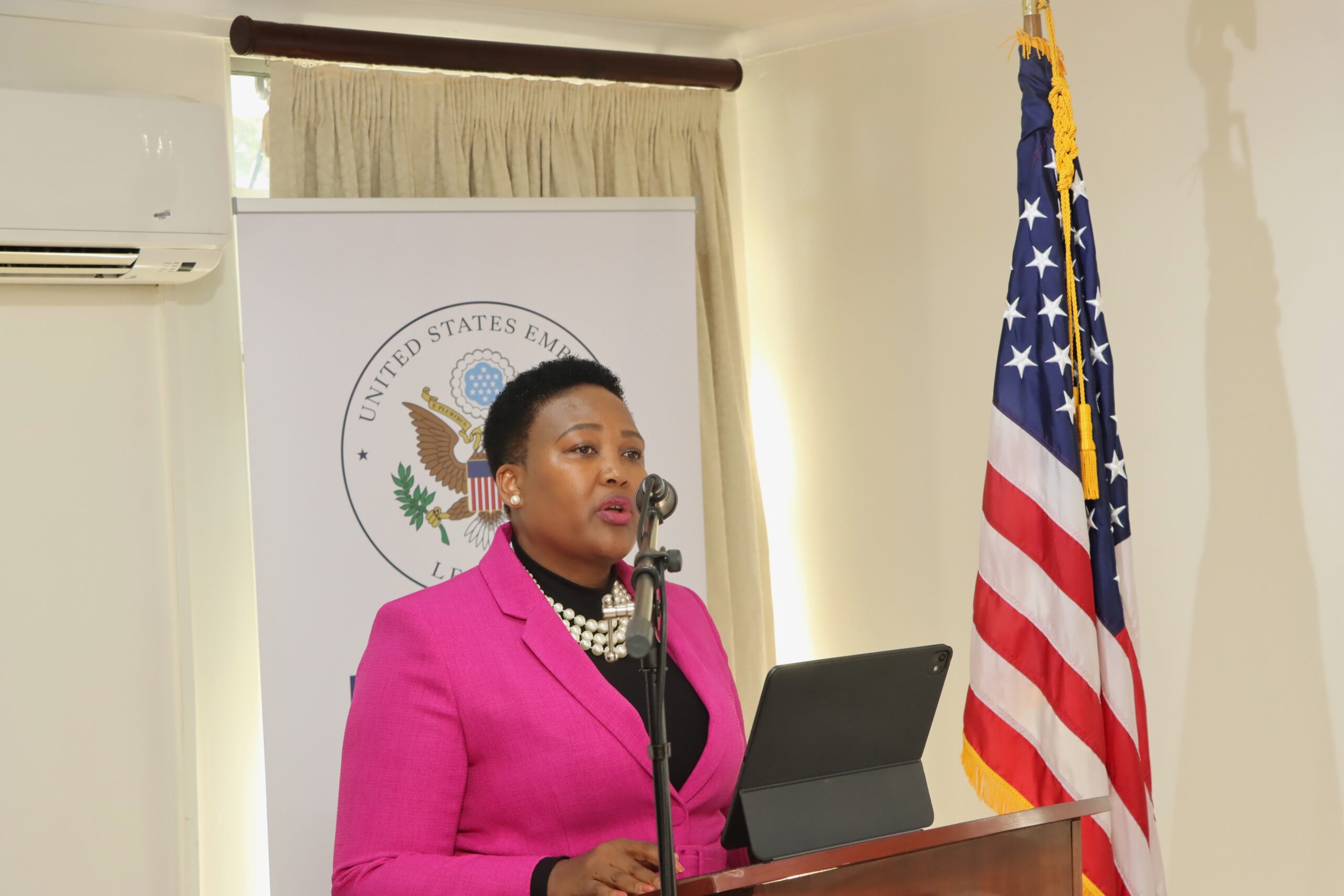
Speaking at the event held at American Corner in Maseru on Thursday, United States Chargé d’Affaires, Thomas Hines, said the investment demonstrated growing confidence by American businesses in Lesotho’s economic potential.
“This is trade over aid. This is a US company choosing to back Lesotho — its people, its resources, and its potential. That is confidence,” Mr Hines said.
He said the project reflected a shift towards sustainable commercial partnerships that deliver lasting economic benefits rather than dependence on donor funding.
Convalt Energy Chief Executive Officer, Hari Achuthan, said the investment had been made possible by a business-focused approach to engagement between the United States and African countries.
“The Trump administration’s emphasis on trade and private-sector investment, rather than relying primarily on grant funding, is closely aligned with our approach in Africa,” Mr Achuthan said.
“The transaction would involve approximately US$6.2 billion of capital investment in Lesotho, supporting major infrastructure development, local employment, skills development, and long-term stable job growth derived from stable long-term cash flows.”
Mr Achuthan said the Kobong project would fundamentally reshape Lesotho’s economy by unlocking its renewable energy potential while establishing the country as a regional technology hub.
Once completed, the project is expected to transform Lesotho from a net importer of electricity into a regional exporter of power, reducing energy costs for local industries while attracting new investment into manufacturing.
The project also includes the construction of advanced AI data centre infrastructure, positioning Lesotho to serve technology companies driving the rapidly expanding global artificial intelligence industry.
Developers say Lesotho offers unique competitive advantages for such investments, including its cool climate, abundant water resources, available land, significant hydropower potential and stable democratic governance.
The United States Embassy said it played a key role in introducing Convalt to senior government officials as part of its commercial diplomacy programme aimed at increasing American private-sector investment in Lesotho.
According to the Embassy, the Kobong project forms part of approximately US$7.3 billion worth of commercial partnerships that it has helped facilitate in Lesotho over the past 18 months.
The Embassy said American companies investing abroad adhere to internationally recognised environmental and social standards, prioritise local employment where possible and operate within the rule of law.
Officials said these principles ensure that investments deliver sustainable benefits to host countries while maintaining responsible business practices.
The Embassy added that as the United States commemorates the 250th anniversary of its independence, the Kobong project embodies the country’s enduring commitment to innovation, opportunity and economic growth through the responsible development of natural resources.
Post Views: 1,402