…as she urges Basotho to improve hygiene at funerals, gatherings
By Rethabile Pitso
FOOD mishandling could be contributing to a range of illnesses in communities.
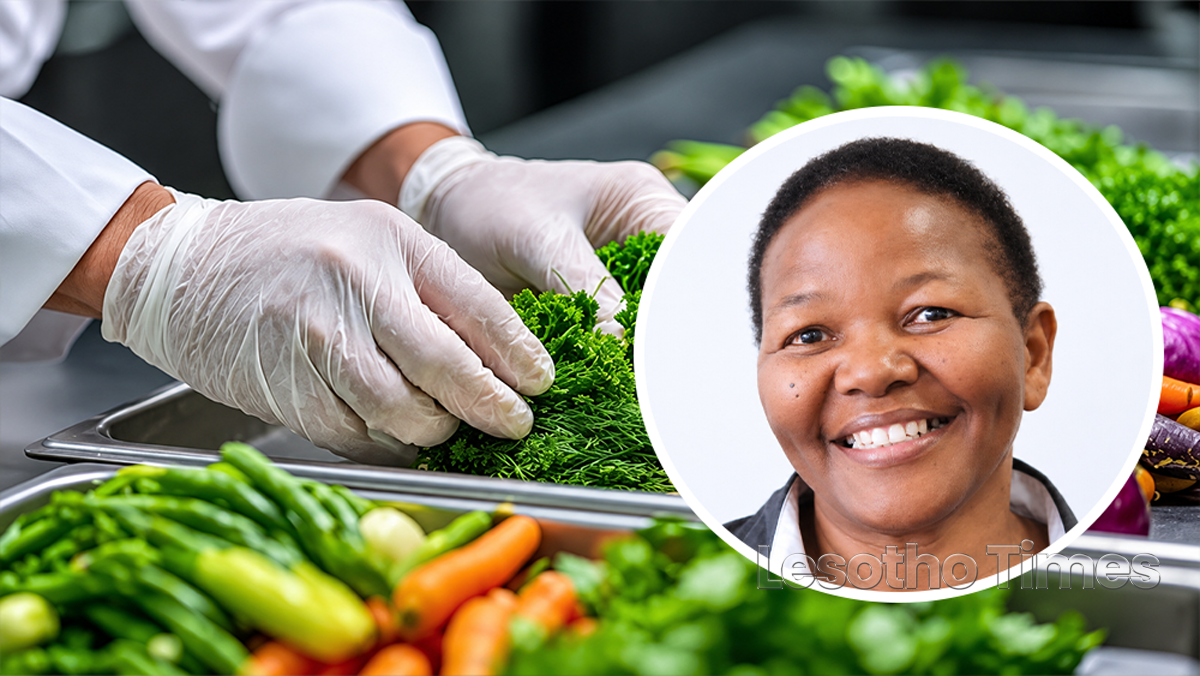
This according to University of Johannesburg food specialist, Professor Mpinane Flory Senekane, who has urged Basotho to adopt safer food preparation and handling practices.
Prof Senekane, a lecturer in the Department of Environmental Health at the University of Johannesburg, says poor hygiene, cross-contamination and improper storage are among practices that could put people’s health at risk, particularly during funerals, family gatherings and other events where large quantities of food are prepared.
She told the Lesotho Times this week that communities should establish groups or societies through which proper food-handling practices can be communicated and promoted, rather than leaving individuals to confront people who come to assist at events.
According to Prof Senekane, such community-based sensitisation could make it easier to ensure that everyone involved in food preparation understands the importance of hygiene.
Her warning comes ahead of the festive season, when families traditionally hold numerous gatherings and ceremonies, often involving the preparation of large quantities of food.
“Our attitude towards food may be harming us in ways we are not aware of, especially when during festivities involving a lot of people such as family gatherings or burials,” she said.
“The cause of pains or discomfort experienced by many people after eating at funerals or gatherings is often not the result of beliefs as many allude to, but a combination of the mishandling of the food itself, the tools used and the overall hygienic practices we sometimes unknowingly execute.”
The Maseru-born nutritionist said some food-related illnesses were wrongly attributed to cultural beliefs rather than possible contamination.
“Basotho often believe that if after eating at a funeral, many people suffer discomfort in the stomach, it must have been the person who slaughtered the animal had a bad hand. They fail to acknowledge that some contamination or mishandling must have occurred,” she said.
She said slaughtering animals for human consumption required careful attention, including checking for signs of disease.
“Many factors should be taken into consideration when slaughtering, and the person in charge is supposed to be well orientated about the process. If there are any signs of diseases, they should be duly taken into account and the meat not allowed to be cooked,” she said.
She also stressed the importance of properly draining blood from a carcass before meat is prepared.
“It is further important for the carcass to be well dried, allowing every ounce of blood to be drained before it is prepared. This is important as blood has to be completely drained as coagulated blood can spoil the meat.
“Other people make the mistake of cooking the meat without this process, leading to the discomfort many people face afterwards.”
Prof Senekane acknowledged that veterinarians were not always readily available to oversee slaughtering in communities, but said knowledgeable community members could assist.
“Ideally, specialists such as veterinarians could be called ahead of a slaughter but because of their scarcity, there are grown men in communities who are knowledgeable about such things. They can be called to guide and check if the carcass is good for consumption,” she said.
She also urged families organising funerals to ensure that people who volunteer to prepare food observe basic personal hygiene.
“At funerals mostly, ladies who are allowed to cut the vegetables do so without undergoing a cleanliness inspection first. But they should be aware that before leaving home to go assist, they must have bathed and cleaned their nails before proceeding to handle that amount of food.
“If they are coughing, they should know better to cover their mouths.”
She said food preparation surfaces and utensils should also be properly maintained.
“Tables and knives used should also be clear of dirt and rust. Tools made of metal such as tables and knives should not be used as rust can transfer onto the food and into the bloodstream of the person who has ingested the food,” she said.
Prof Senekane also warned against using the same utensils for different types of meat without proper cleaning, citing the risk of cross-contamination.
“Another example is where a person can use the same knife they had been using to cut the chicken to cut the red meat with without being aware of the cross contamination that takes place in between,” she said.
“The defects found in chicken are not necessarily found in other meats so it is necessary to clean tools thoroughly before passing them on other products to avoid cross contamination. Someone who eats only chicken but avoids red meat might be affected if appropriate measures are not taken.”
She said unsafe food-handling practices could expose communities to a range of diseases.
“These practices, although common, are causing us many different diseases such as cancers without being aware most of the times where we get such from,” she said.
Prof Senekane further advised consumers to pay attention to how vegetables are cleaned before cooking.
She said vegetables should be washed thoroughly to remove dirt and possible pesticide residues, adding that some contaminants could remain on produce after harvesting.
“The food that is available these days is highly treated with contaminants that if not properly removed can cause our bodies so much harm.
“It is therefore not enough to clean food using merely water at times but for vegetables, adding some salt as you allow the food to soak can help eliminate most contaminants ahead of cooking.”
She also urged households to take greater care when storing meat, particularly because of Lesotho’s unreliable electricity supply.
“Equally important is cleaning meat and storing it appropriately. As a result of the unpredictable electricity, it is important to always keep a bag of ice cubes in the fridge to safeguard against meat getting exposed to warmer temperatures in incidences where electricity goes away for long periods of time,” she said.
Prof Senekane also took aim at what she described as inappropriate clothing in kitchens, particularly the wearing of pyjamas, gowns and slippers while preparing food.
“Our lifestyles can also contribute to our demise as some people find the practice of presenting themselves in the kitchen in a gown or slippers nothing more than a modern show of luxury. But that behaviour largely compromises the sterility of the kitchen.”
She urged communities to treat food safety as a shared responsibility, particularly during large gatherings where one lapse in hygiene can potentially affect many people.
Rather than relying on traditional explanations when people fall ill after communal meals, she said communities should examine how food was slaughtered, prepared, handled, cooked and stored.