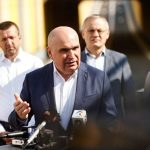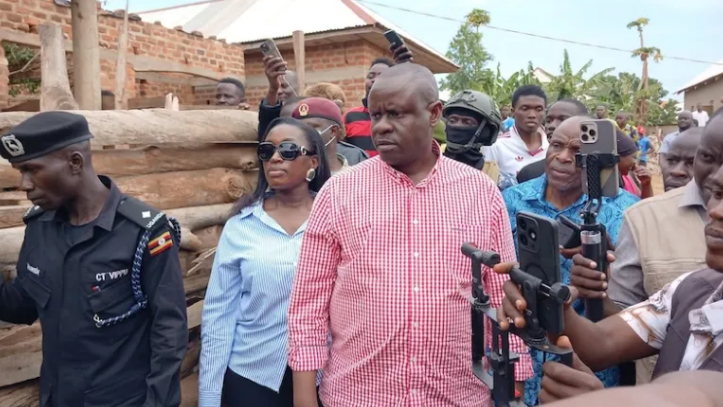
President Yoweri Museveni has thrown his weight behind State Minister for Youth Balaam Barugahara and his colleague Phiona Nameere’s field inspections, saying their strategy of confronting corruption through public gatherings mirrors the original methods used by the NRM.
In a message to Ugandans, particularly the “Bazzukulu”, Museveni dismissed concerns that the ministers could be moving around the country “Kutomera” — bumping into issues blindly — arguing that the widespread nature of corruption makes their approach necessary.
Museveni said his own 2026 campaign trail was repeatedly interrupted by angry citizens raising complaints about corruption, including problems surrounding the Parish Development Model (PDM).
He said he had also previously received complaints from elders in Bunyoro about the alleged sale of local government jobs, while reports of “ghost” learners and teachers continued to emerge in government schools and health centres.
“The challenge now is for the DPP to have a dedicated officer that can quickly assess the abundant evidence against these criminals so that they are prosecuted,” Museveni said.
The President identified what he described as two major obstacles in the fight against corruption — alleged cover-ups by officials responsible for protecting national interests and the failure by elites with access to decision-making centres to report wrongdoing.
He said Barugahara and Nameere had managed to bypass this “blockade” by taking the fight directly to citizens through barazas, or public gatherings.
“By going to the People directly in the form of Barazas (Public gatherings), [they] have by-passed the blockade of the thieves manned by the responsible elements of the elite,” Museveni said.
Museveni, however, said not all members of the elite were complicit in corruption, citing Works Minister Fred Byamukama as an example of an official he considers patriotic.
He said Byamukama had previously exposed a racket involving extortionists operating around State House, leading to a trap and arrests.
“This corruption in Uganda is stoppable,” Museveni declared.
The President urged government officials to stop covering up corruption and called on citizens to report wrongdoing.
“Do not cover-up if you are a Government officer and report if you are a citizen,” he said.
Museveni also recalled assigning former Minister for Local Government Raphael Magyezi to follow up corruption complaints raised by citizens.
Although Magyezi visited some of the affected areas, Museveni said he believed decisive action had not been taken.
He contrasted that experience with the public response to the current field operations by Barugahara and Nameere, saying citizens appeared enthusiastic about their approach.
The President said the ministers’ public engagements reminded him of the early days of the NRM, when large crowds voluntarily attended party meetings without the mobilisation practices he says are common today.
“We are back to the earlier NRM days when huge crowds would flock voluntarily to our public meetings without being given water to drink, food, hiring tents for the local elite while the masses stay in the rain or the sun,” Museveni said.
His endorsement gives fresh political backing to the ongoing field inspections by Barugahara, Nameere and potentially other officials, as the government seeks to expose corruption and gather evidence for prosecution.
Museveni signed off the message as “Ssaabalwanyi” — the veteran fighter.
GOT A HOT STORY? LET US KNOW!
Got breaking news, explosive secrets, or hard evidence?
Email us: [email protected]
We accept tips, documents, videos, photos, and recordings—the more evidence you have, the better.
CONFIDENTIALITY IS OUR TOP PRIORITY. SOURCES ARE ALWAYS PROTECTED!
About Post Author