Private money-transfer brokers are reviving in North Korea after a period of suppression aimed at pushing people toward banks. The distrust toward banks that resulted from the crackdown is driving people back toward informal networks, a source in Ryanggang province said Thursday.
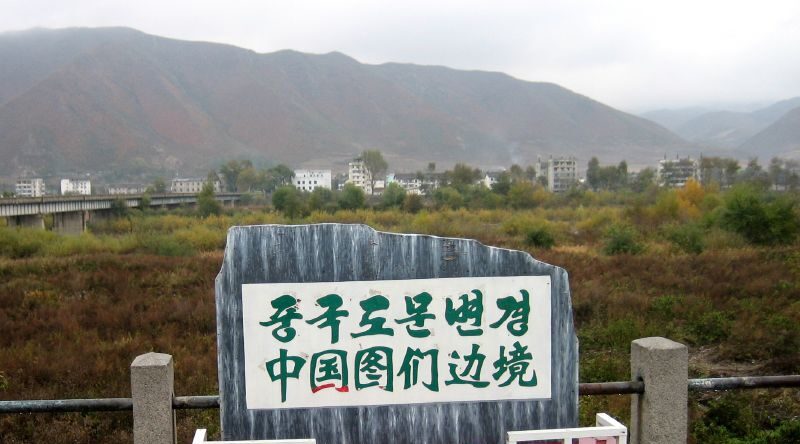
Broker-arranged transfers connecting Hyesan residents with people sending or receiving money inland are picking up again, the source said. “For a while, the crackdown was so intense that people were very cautious about these deals,” the source said. “These days, more people are turning to private brokers again.”
Such brokers have long facilitated trade between North Korea’s border areas and its interior, charging a fee to relay payments. Because they also handle foreign currency exchange, they have functioned as a pillar of the country’s informal financial network.
North Korean authorities encouraged bank use and cracked down on private brokers. The goal was to bring people’s money into the formal financial system, and the campaign sharply curbed broker activity for a time.
“As the crackdown on private money-transfer brokers intensified, not just the brokers but people who had dealt with them were investigated by the National Intelligence Agency. Merchants who needed to send goods inland and collect payment also avoided these brokers for a while,” the source said. Even simple merchandise payments carried the burden of the investigation process, and unpredictable punishments left people wary.
Some people turned to banks instead, simply out of necessity, the source said. Bank records and fund sources came under scrutiny from the National Intelligence Agency, formerly the Ministry of State Security, and that led to investigations and arrests. That pattern spread a belief that banks were no safer than brokers.
“People have seen firsthand, or heard through rumors, cases where using a bank became a problem. Banks are mainly used by enterprises and trading companies, while individuals avoid bank transfers,” the source said.
Personal couriers carry their own money-transfer risks
With both brokers and banks now seen as risky, some merchants turned to personal courier transfers instead. They hired drivers of informal private transport vans, called seobicha, or other trusted people to carry cash by hand. The method leaves no paper trail, unlike transfers made through banks or brokers.
Personal courier transfers bring their own inconveniences and risks, the source said. It takes time for cash to reach its destination, and it could be lost or diverted along the way. Senders cannot relax until they receive confirmation the money arrived safely.
“When you send money through a person, you have to worry until it arrives, since you never know what might happen. People often send foreign currency, and if a courier is caught in a crackdown, the money can be confiscated. If the courier decides to pocket it and claims it was lost, there’s no way to check,” the source said.
The limits of personal courier transfers, combined with distrust of banks, have pushed people back toward private money-transfer brokers. A trade that had gone quiet for a time is reviving, the source said. The authorities’ effort to control the flow of people’s money appears to have backfired and has deepened distrust of banks and pushed people back into informal transfer networks.
“The crackdown isn’t as intense as it used to be, but brokers are moving money again. Nobody knows when enforcement might tighten, so people are being careful. Brokers also know their calls could be tapped, so they use coded language on the phone,” the source said.
Reporting from inside North Korea
Daily NK operates networks of sources inside North Korea who document events in real-time and transmit information through secure channels. Unlike reporting based on state media, satellite imagery, or defector accounts from years past, our journalism comes directly from people currently living under the regime. We verify reports through multiple independent sources and cross-reference details before publication.
Our sources remain anonymous because contact with foreign media is treated as a capital offense in North Korea — discovery means imprisonment or execution. This network-based approach allows Daily NK to report on developments other outlets cannot access: market trends, policy implementation, public sentiment, and daily realities that never appear in official narratives.
Maintaining these secure communication channels and protecting source identities requires specialized protocols and constant vigilance. Daily NK serves as a bridge between North Koreans and the outside world, documenting what’s happening inside one of the world’s most closed societies.