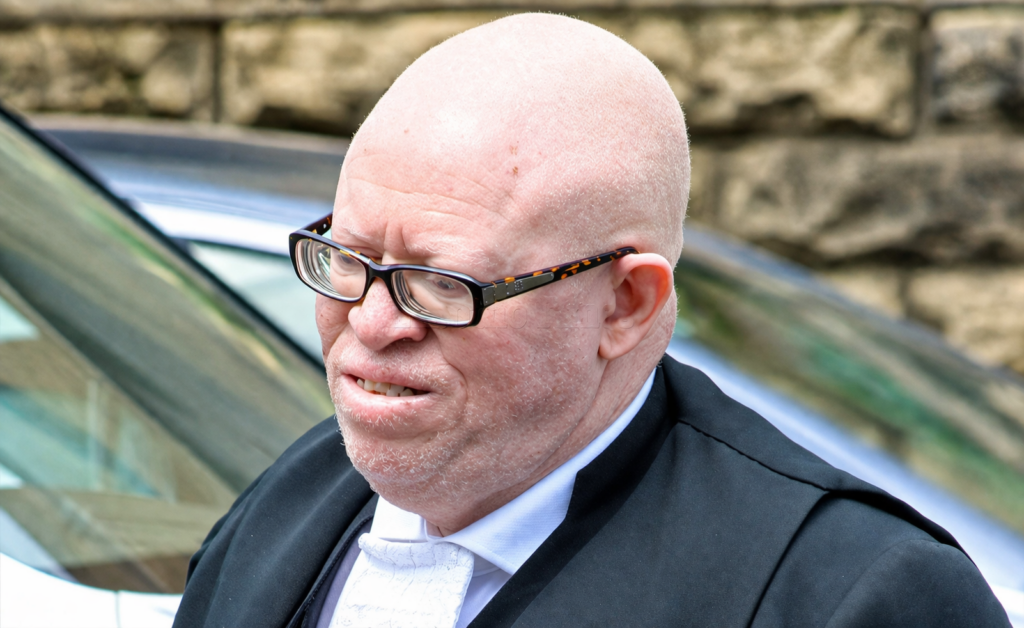
…as Council says pursuing it would be a “waste of time”
Moorosi Tsiane
THE National University of Lesotho (NUL) Council has abandoned its bid to have High Court judges recused from its long-running legal battle with former Pro-Vice-Chancellor Professor, Kananelo Mosito, saying pursuing the appeal would be a “waste of time”.
The Council on Friday withdrew its appeal against Justice Molefi Makara’s 2 May 2026 decision dismissing its application for his recusal from the case in which Prof Mosito is challenging the university’s recruitment process for a new Vice-Chancellor.
The withdrawal leaves the Council pursuing only a separate appeal challenging the High Court’s jurisdiction to hear the matter.
The retreat came during Friday’s Court of Appeal roll call, when the Council’s lawyer, Advocate Mamello Makau, informed the court that the recusal appeal would no longer be pursued.
The roll call was for cases to be heard in the Court of Appeal’s second session to be held next month.
“My Lord, we are withdrawing the matter in Professor Kananelo Mosito vs NUL Council and Others. I would like to have a talk with my learned friend Advocate Metlae over the matter and regularise the withdrawal,” Adv Makau told the court.
The decision came after Acting Court of Appeal Judge Phillip Musonda rejected the Council’s application for the matter to be heard on an urgent basis and directed that the appeals be dealt with during the Court of Appeal’s next ordinary session in October 2026.
Speaking exclusively to the Sunday Express after the withdrawal, Adv Makau said the Council had concluded that continuing with the recusal appeal would serve little purpose.
“We just feel that it is a waste of time because even here at the Court of Appeal the matter is still going to be heard by judges appointed by him (Prof Mosito), so there is no point. However, we will continue with arguing the jurisdiction matter only,” she said.
The recusal battle arose after NUL initially challenged the High Court’s jurisdiction to hear Prof Mosito’s case, arguing that the dispute was essentially a labour matter.
Justice Makara dismissed that argument, prompting the Council to launch an interlocutory application seeking the recusal of all High Court judges from the proceedings.
The Council argued that Prof Mosito’s position as President of the Court of Appeal created an appearance that judicial independence could be compromised.
But Prof Mosito’s lawyer, Adv Dominic Metlae, strongly rejected the Council’s argument, maintaining that an informed and reasonable person would take into account the legal history between Prof Mosito and the judiciary.
He also rejected the suggestion that High Court judges fell under Prof Mosito’s influence by virtue of their relationship with the Court of Appeal.
Justice Makara ultimately dismissed the recusal application, prompting the Council to take the fight to the Court of Appeal and seek an expedited hearing.
That effort also failed when Justice Musonda rejected the application for urgency and directed that the appeal be heard during the October session.
The withdrawal of the recusal appeal means the Council will now concentrate its efforts on the jurisdictional challenge.
At the heart of the original dispute is Prof Mosito’s challenge to the Council’s decision to begin the process of recruiting a new Vice-Chancellor.
Prof Mosito argues that the Council acted prematurely because a formal vacancy in the Vice-Chancellor’s office had not yet arisen when the recruitment process was initiated in November 2025. Former Vice-Chancellor, Professor Olusola Isaac Fajana’s term only expired on 31 July 2026.
Prof Mosito relies on Section 16 of the NUL Act, which provides that the joint Council and Senate committee responsible for selecting a Vice-Chancellor may only be constituted “when a vacancy occurs”.
The Council, through its chairperson, Dr Khabele Matlosa, has, however, mounted a strong defence of its actions and raised serious concerns about Prof Mosito’s conduct and influence within the university.
NUL Council terminated Prof Mosito’s four-year contract on 2 August, two years before its scheduled expiry, though the university said he retained his substantive position as a lecturer in the Faculty of Law.
Justice Mosito is challenging his dismissal before the Court of appeal, arguing that the Council was in contempt of Justice Musonda’s 1 June 2026 interim order which he argues entitled him to assume the powers and functions of Acting Vice-Chancellor once Prof Fajana’s term expired.
Post Views: 1,064