North Korean markets are stocked with more imported fruit and greenhouse-grown produce than they have been in years, but soaring prices are leaving many shoppers priced out even as the displays look more abundant than ever.
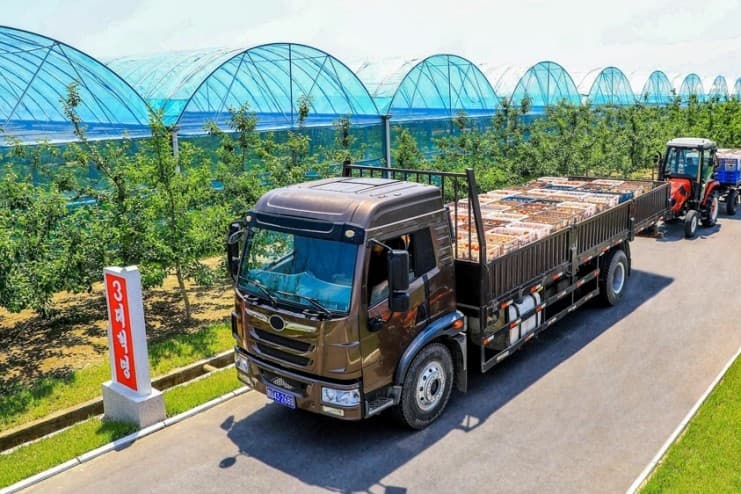
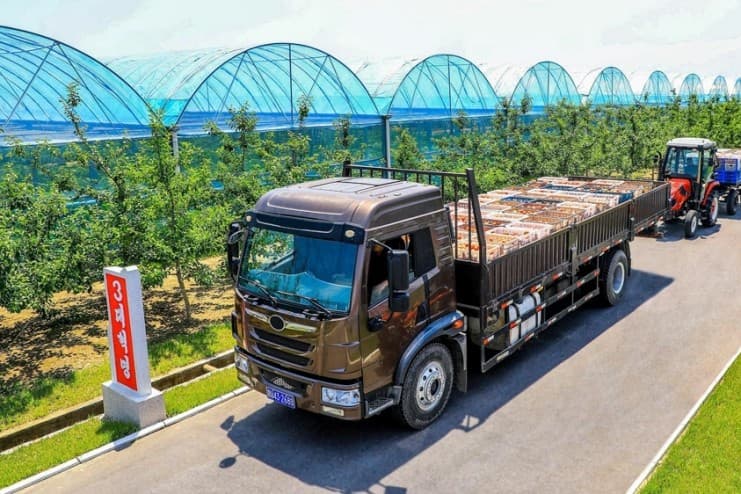
According to a Daily NK source in North Hamgyong province, markets in Hoeryong and other cities have recently seen a surge of Chinese fruit alongside vegetables and greenhouse produce from local farms, making produce stalls far more varied than in past years.
Pineapples, bananas and oranges now sit alongside eggplant, melon and strawberries grown in greenhouses, giving the appearance that food is more plentiful than before the COVID-19 pandemic. But the source said many North Korean people are afraid to open their wallets given how much prices have climbed.
At one Hoeryong market, pineapple currently sells for 130,000 North Korean won per kilogram, banana for 110,000 won, orange for 80,000 won and mandarin for 65,000 won. Melon and cherries fetch an even steeper 300,000 to 350,000 won.
Vegetable prices have also risen sharply. Tomatoes and eggplant sell for more than 60,000 won, while mushrooms, green onions and spinach go for 10,000 to 20,000 won. More common vegetables such as cabbage, napa cabbage, radish and cucumber sell for around 5,000 won.
DAILY NK · Market Watch
Check out Daily NK’s latest data for USD-KPW rates inside North Korea here.
Prices have doubled even as variety grows
“Compared to before, the variety is much greater, but prices for most items have more than doubled,” the source said. “Looking at the fruit and vegetables on display, it might seem like life has improved, but in reality many people just look at the price tags and walk away.”
The source added that plenty of people still buy at these prices without hesitation, saying the gap in spending power between wealthy and poor North Korean people is now plainly visible in the markets.
That contrast is fueling a sense of relative deprivation among North Korean people, some of whom say the more abundant the markets look, the more starkly the wealth gap stands out.
One Hoeryong resident said that in the past, goods were scarce and expensive enough that buying them felt reserved for special occasions and specific people. Now, the resident said, goods overflow the stalls and many people buy them without a second thought regardless of cost, adding that watching others buy freely while unable to buy for one’s own children makes the reality of having no money feel even harder.
The source said the prevailing view is that as prices continue to climb faster than most people’s purchasing power, the gap between the market’s surface-level abundance and the actual living standards of North Korean people keeps widening.
Reporting from inside North Korea
Daily NK operates networks of sources inside North Korea who document events in real-time and transmit information through secure channels. Unlike reporting based on state media, satellite imagery, or defector accounts from years past, our journalism comes directly from people currently living under the regime. We verify reports through multiple independent sources and cross-reference details before publication.
Our sources remain anonymous because contact with foreign media is treated as a capital offense in North Korea — discovery means imprisonment or execution. This network-based approach allows Daily NK to report on developments other outlets cannot access: market trends, policy implementation, public sentiment, and daily realities that never appear in official narratives.
Maintaining these secure communication channels and protecting source identities requires specialized protocols and constant vigilance. Daily NK serves as a bridge between North Koreans and the outside world, documenting what’s happening inside one of the world’s most closed societies.