MBABANE – Eswatini is bracing itself for one of the most turbulent weather seasons in living memory.
This is so as forecasts by the Eswatini Meteorological Service warn of a very strong El Niño event between October 2026 and March 2027.
The previous severe El Nino weather of 2015/2016 drought impacted the country and required at least E3 billion budget for response action.
In the current impending drought weather forecasters have warned about drawing comparisons and overstating the alarm.
The forecasts indicate that the country is likely to experience slightly warmer-than-normal conditions between October and December.
Maximum temperatures in the eastern parts are expected to average between 28°C and 35°C. Minimum temperatures in the east are expected to range between 25°C and 30°C.
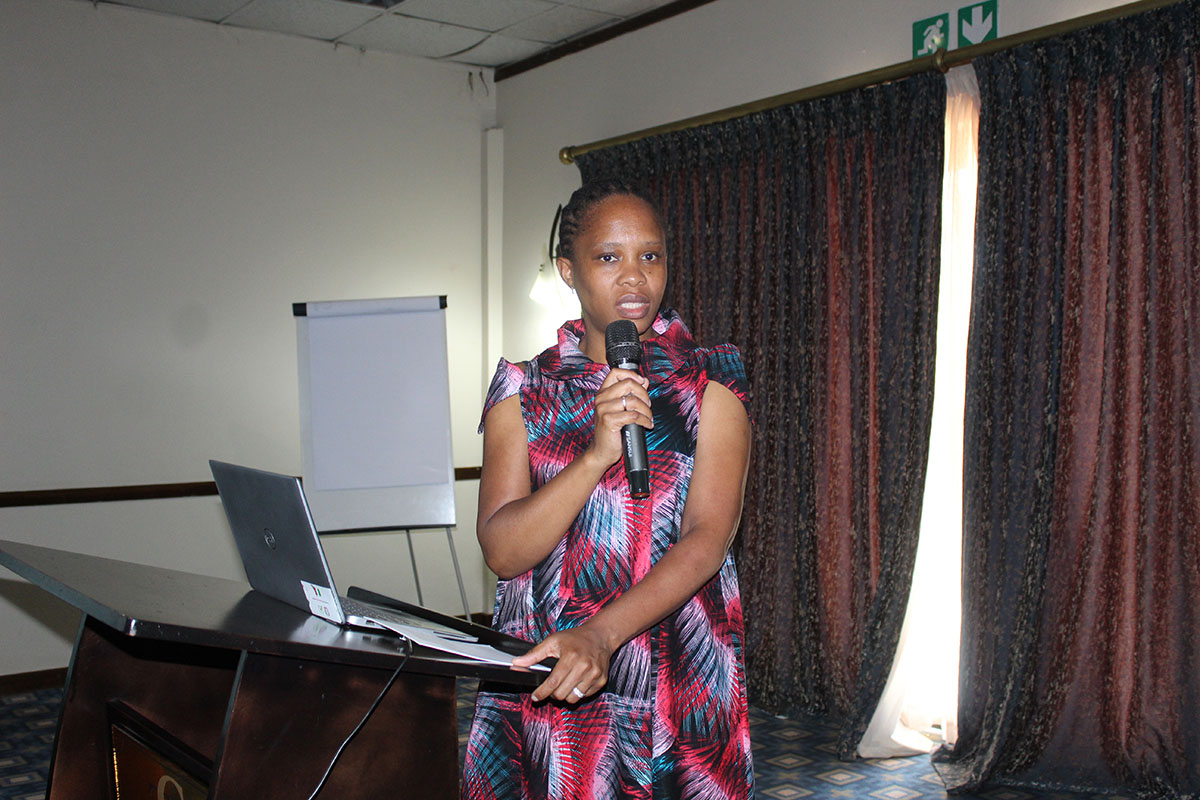
The seasonal outlook, presented by Weather Forecaster Sifiso Nzalo, indicates that the country faces a greater than 90 per cent chance of El Niño conditions, with a 69 per cent probability that this event will be historic, surpassing all previous El Niño episodes recorded since 1950.
Nzalo explained that the upcoming season will be shaped by several global and regional climate systems. The Intertropical Convergence Zone (ITCZ), the Indian Ocean Dipole (IOD), the Southern Indian Ocean Dipole (SIOD), and Eswatini’s own orography will interact with El Niño to determine rainfall and temperature patterns.

“The strength of El Niño this season is unprecedented. It will dominate all other climate drivers and significantly alter rainfall distribution across Southern Africa,” Nzalo said.
The forecast projects wide temperature swings across Eswatini during the six-month period.
Daytime highs are expected to reach 35°C in January and February, particularly in the Lowveld.
Early mornings in October and November could dip to 9°C, especially in the Highveld.
Nzalo cautioned that these extremes will strain both agriculture and water resources.
“Farmers should prepare for hotter-than-normal conditions, which will increase evaporation rates and reduce soil moisture,” he said.
Rainfall is expected to be erratic and below average, a typical hallmark of El Niño in Southern Africa.
Some regions may still record up to 472mm, similar to the 2025 analogue season. Other areas could receive less than 200mm over the entire October-March period, raising fears of drought.
Nzalo emphasised that the uneven distribution of rainfall will pose challenges for communities.
“We may see isolated heavy downpours in the Highveld, but prolonged dry spells in the Middleveld and Lowveld. This imbalance will affect crop yields and water availability,” he explained.
The implications of a strong El Niño are far-reaching. Farmers are likely to face reduced maize yields, while livestock owners may struggle with water shortages and poor grazing conditions. Rural households dependent on rain-fed agriculture will be most vulnerable.
Nzalo urged communities to adopt climate-smart practices such as water harvesting, crop diversification and conservation agriculture.
“We cannot stop El Niño, but we can prepare for its impacts. Proactive measures will help cushion households against food insecurity,” he said.
The Lowveld is expected to bear the brunt of the dry conditions, with scorching temperatures and minimal rainfall.
The Middleveld will experience mixed conditions, while the Highveld may still benefit from occasional heavy rains. However, Nzalo warned that even the Highveld is not immune to prolonged dry spells.
El Niño events have historically disrupted rainfall patterns in Eswatini and the wider Southern African region. The 2015–16 El Niño, for instance, caused severe drought, leading to widespread crop failures and water shortages. Nzalo noted that the upcoming event could be even stronger. “This season has the potential to exceed the intensity of all El Niño events since 1950. We must take this warning seriously,” he stressed.
The Meteorological Service has called on government agencies, farmers and communities to plan ahead. Water managers are advised to monitor reservoirs closely, while disaster response teams should prepare for both drought and localised flooding.
The latest weather reports have triggered sector cluster meetings as government intensifies preparations for the unfavourable weather conditions expected in the coming period.
The meetings will later bring together key sectors, including health, water, agriculture and other relevant structures, to identify interventions and develop strategies to mitigate the anticipated impacts of the weather.
The authorities said the approach would be guided by impact-based forecasting, which seeks to identify specific areas and communities likely to be affected rather than simply providing general weather information.

The authorities said improving the availability and use of data would therefore remain important in strengthening the country’s forecasting capacity and ensuring that warnings and advisories are more relevant to communities on the ground.
In the next few weeks, sector cluster meetings are expected to help translate the weather information into practical preparedness measures, particularly in areas likely to experience significant impacts.
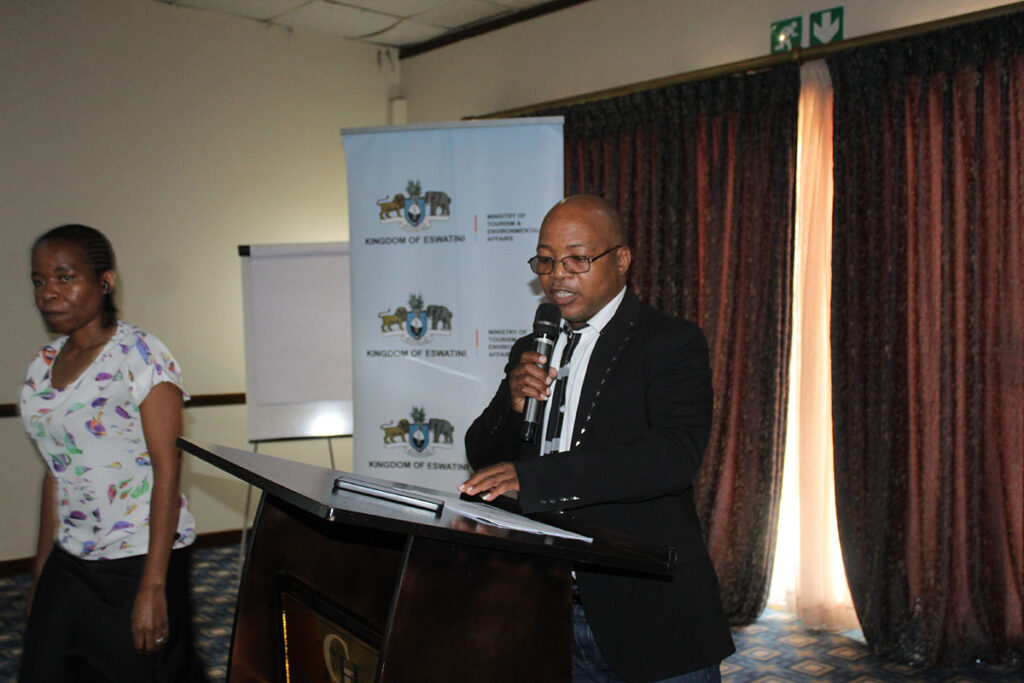
Director of Eswatini Meteorological Service Dudu Nhlengethwa stressed the importance of science, observation and the use of information in understanding issues and preparing for the future.
Nhlengethwa said the information gathered through presentations and observations could play an important role in helping people understand developments and make informed decisions.
She noted that some issues were sometimes regarded as being of secondary importance, despite their significance.
Nhlengethwa encouraged greater appreciation of scientific information and observations, saying these could provide useful insights for planning and preparing for the future.
She then warned that the information provided should not be misrepresented to trigger unnecessary alarms.
Nhlengethwa said the presentation was intended to be informative and useful to those in attendance, emphasising the importance of considering scientific information when assessing developments.