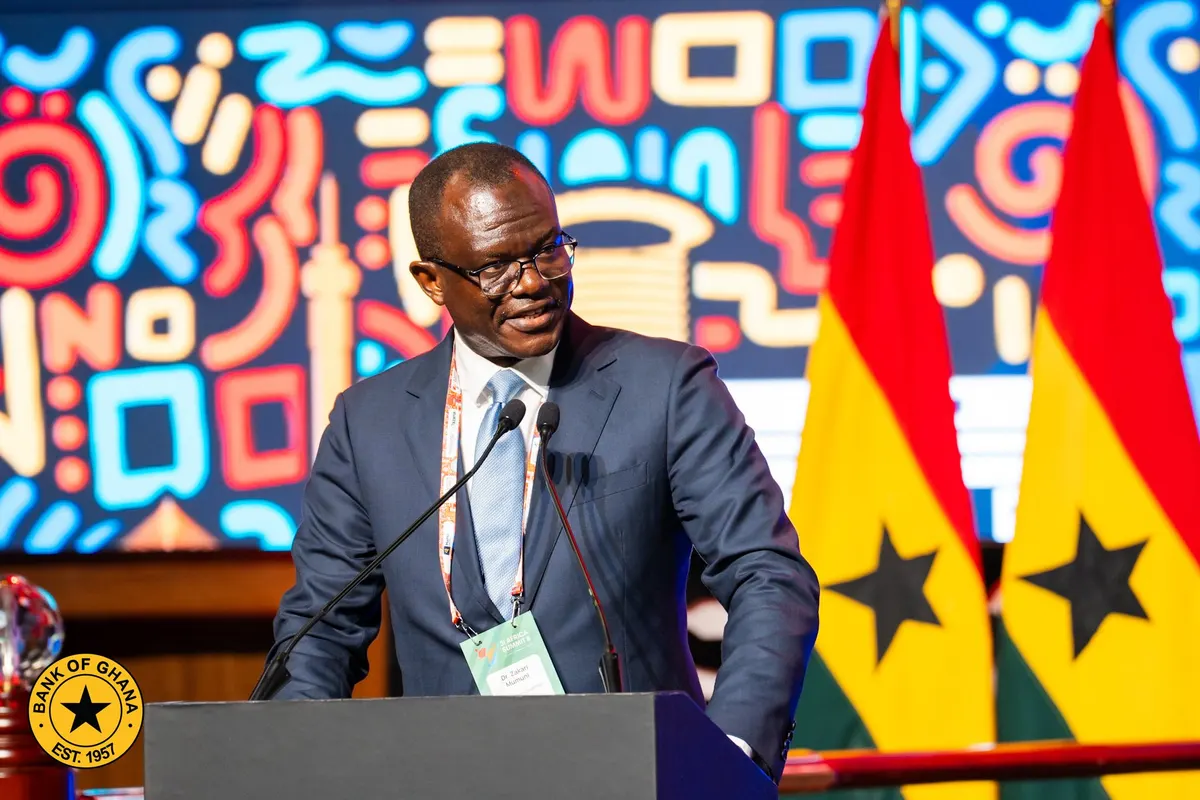
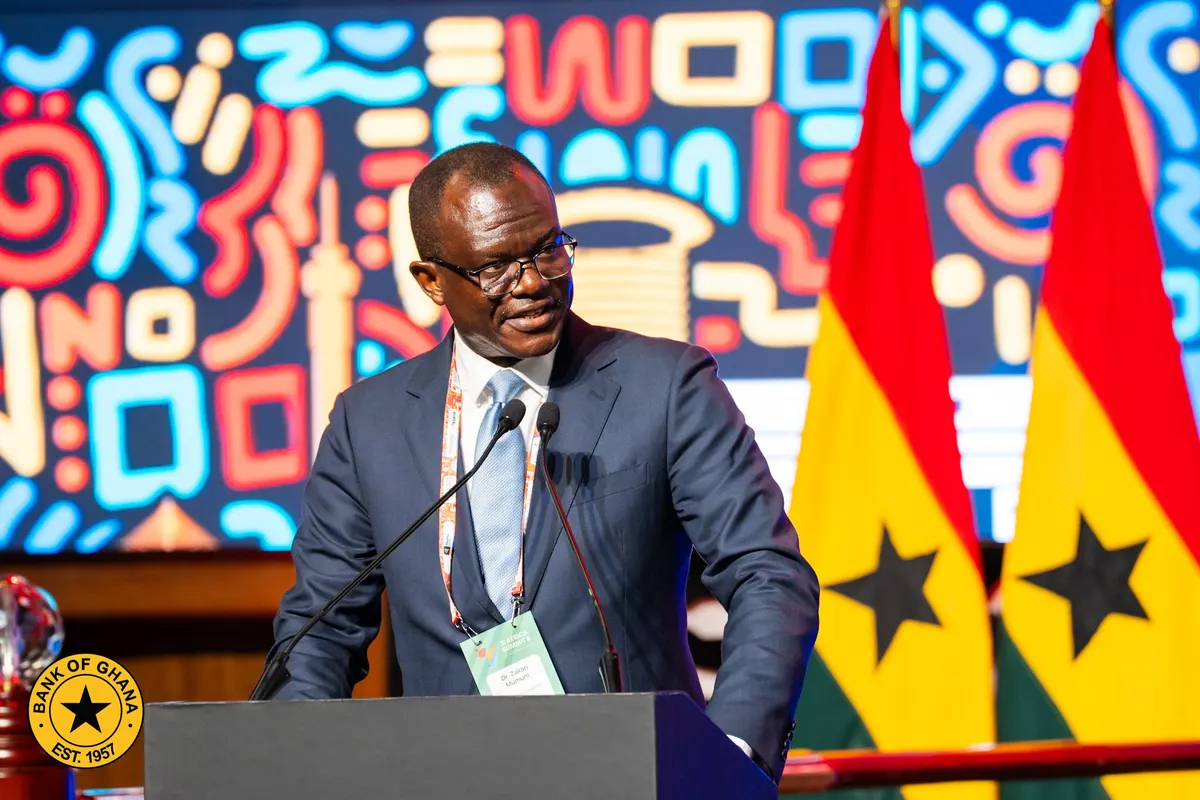
First Deputy Governor of the Bank of Ghana, Zakari Mumuni, has called for urgent action to build inclusive and interoperable instant payment systems across Africa, insisting that such systems are now critical economic infrastructure for the continent’s digital future.
Speaking at the 2026 3i Africa Summit in Accra, Dr. Mumuni warned that fragmented payment systems, high transaction costs and weak interoperability continue to undermine Africa’s digital economic ambitions. 
“Inclusive instant payments are therefore not optional — they are essential infrastructure,” he stressed while delivering a keynote address on the theme “Inclusive Instant Payments as Economic Infrastructure.” 
According to him, Africa has made significant progress over the past two decades through mobile money, fintech innovation, agency banking and digital wallets, but seamless usability across systems remains a major challenge. 
“Africa stands at a decisive moment,” he stated.
“We have achieved remarkable progress in expanding access to financial services, yet the foundations of our payment systems remain fragmented, costly and insufficiently interconnected,” he added. 
Dr. Mumuni explained that properly designed instant payment systems would enable real-time, low-cost transactions across interoperable networks linking banks, fintech firms and consumers into a unified ecosystem. 
“In doing so, they convert fragmented access into meaningful economic participation,” he said. 
The First Deputy Governor noted that inclusive payment systems could improve business cash cycles, strengthen liquidity management and provide underserved communities with reliable and affordable financial services. 
He added that governments would also benefit through improved revenue mobilisation, enhanced transparency and more efficient delivery of public interventions. 
For financial institutions, he said instant payment systems would create valuable transaction data capable of driving innovation in credit, savings and risk management products. 
Despite recent progress on the continent, Dr. Mumuni acknowledged that no instant payment system in Africa has yet achieved inclusivity at scale. 
“This underscores a central reality: building infrastructure is not enough — we must ensure that it works universally and equitably,” he stated. 
He argued that while central banks have already established strong regulatory foundations, regulation alone cannot deliver full integration.
“What is required now is coordinated execution across the ecosystem,” he stressed. 
According to him, regulators, payment system operators, financial institutions and fintech firms must collaborate to build interoperable systems that eliminate friction and expand financial access. 
Dr. Mumuni further called for reforms including harmonised electronic Know Your Customer (eKYC) frameworks, aligned licensing regimes and stronger cross-border cooperation to deepen interoperability across African payment systems. 
“In Ghana, we have made tangible progress, including the deployment of multiple instant payment platforms and ongoing efforts to strengthen inter-scheme interoperability,” he disclosed. 
However, he stressed that Ghana’s ambition goes beyond merely building payment systems.
“The objective is not simply to build systems, but to ensure that they are accessible, affordable and trusted by every segment of society,” he added. 
He therefore urged African governments and financial institutions to move beyond fragmented systems toward full interoperability and integrated payment infrastructure across the continent.
“The path is clear, the technology is available and the benefits are substantial. What is needed now is commitment and execution,” he said. 
For more news, join The Chronicle Newspaper channel on WhatsApp: https://whatsapp.