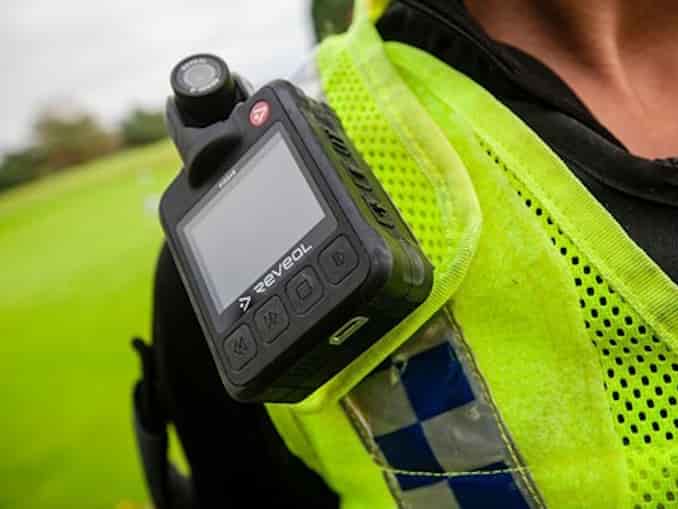

(CNS): All frontline RCIPS officers will be wearing body-worn cameras (BWCs) by the end of July, the RCIPS said in a press release. The phased implementation of bodycams is designed to provide an objective record of the interactions between police and the public.
By capturing high-definition video and audio, these devices ensure that evidence is gathered accurately, securing the integrity of investigations and increasing the likelihood of positive outcomes, police said.
The release described the move as a “milestone” that “marks a significant step in the organisation’s ongoing commitment to transparency, accountability, and creating a modern police service”.
The full rollout follows a successful pilot phase over the last two years, which was specific to internal change management, review of judicial pathways and requirements to future-proof the RCIPS.
Superintendent Roje Williams, who is heading the project, described the introduction of bodycams as a “transformative moment” for the local police.
“This technology serves as a digital witness that protects both our officers and the community. By implementing strict guidance alongside this technology, we are ensuring it is used ethically, consistently, and in a manner that maintains public trust and confidence in policing for all involved,” he said.
To ensure the effective use of this resource, the proposed framework will establish clear recording requirements for specific incidents, including arrests, searches and use-of-force encounters. The RCIPS has made a significant investment in instructor training, equipping a number of officers to deliver comprehensive training to its frontline personnel.
The release said the implementation of body-worn cameras is a clear signal of “our dedication to professionalism and our proactive approach to community safety”.
As part of its implementation, several stakeholder engagement sessions have been held, and as the service moves towards the final stages, the RCIPS will host engagement sessions with the media, the public and external partners in the coming weeks to ensure broader awareness and understanding.
Police Commissioner Kurt Walton said the implementation of bodycams “marks a pivotal advancement in our mission to deliver a modern, transparent, and accountable police service for the Cayman Islands. This technology is not merely a tool for evidence gathering; it is a commitment to our officers and the public that every interaction is grounded in integrity and professional standards.
“By capturing an objective record of our work, we are strengthening the bond of trust between the RCIPS and the community we serve, ensuring that our judicial outcomes are supported by the excellent quality of digital evidence,” he added.
Bodycams are used by many police services around the world and have assisted both officers and civilians. Many officers see them as protection from false accusations, and members of the public can be reassured that how they are treated by officers is documented.