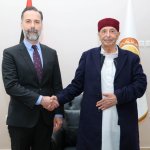
I . Why Profile Wedi Gebru? The Citizen as Moral Compass
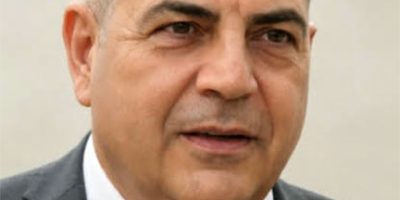
I have chosen to profile the late Teklenkiel Gebru (Wedi Gebru) because he singularly — among the galaxy of Eritrean luminaries — embodies the kind of citizen Eritrea desperately needs today: a patriot whose loyalty was never to factions, personalities, or organizations, but to the principles that give a nation moral coherence. He lived those principles not as performance but as an extension of his authentic self — and authenticity, in his case, was not a slogan but a discipline. Wedi Gebru never changed; he intensified. His core remained intact: a critic, a truth‑teller, a thinking artist who mostly wrote his own lyrics, and a patriot anchored in principles rather than institutions.
His childhood friend captured him with remarkable precision: “Wedi Gebru was a critic, not an adulator — ነቓፋይ እምበር ወዳሳይ ኣይነበረን.”
This distinction matters. Many in his generation were die‑hard nationalists; very few were patriots. Nationalism can be loud, emotional, and partisan. Patriotism demands moral courage, intellectual honesty, and a willingness to confront one’s own side. Wedi Gebru possessed all three.
II. Courage in Real Time: Criticizing Power While Living Under It
He never hesitated to challenge the organization he served — the ELF — when its leadership obstructed national unity. Nor did he flinch from confronting the EPLF during the struggle era, or the post‑independence regime under whose rule he lived — the focus of my next and final installment. That readiness to speak truth to power, in real time and at personal risk, places him in a category entirely his own.
Donate
Donate to support awate.com
Important as criticism is, it is easy to hurl it from afar — from exile, from the comfort of Western cities, where no existential threat hangs over one’s life or livelihood. Many have even turned criticism into a lifestyle, just as others have turned “opposition” into a brand. Both are supposed to be a means to an end. Stripped of purpose and sacrifice, their commentary dulls the very knife of activism. Wedi Gebru had sharp words for such people:
ኣበይ ተማሂሮም ሕክምና? Where did they study medicine?
ንቕርጸት ከብዲስ ማሕጎማ They prescribe wet cupping for abdominal cramps.
His critique was never petty; it was philosophical. Wedi Gebru rejected the shallow activism that diagnoses complex national problems with simplistic remedies. He demanded seriousness, competence, purpose, and intellectual rigor — qualities he believed were indispensable for any movement that claimed to speak for the people.
He reserved some of his sharpest criticism for those who deserted the struggle yet tried to reinvent themselves as armchair revolutionaries, passing judgment from the comfort of tea shops and taverns. In his eyes, their commentary was not only hollow but morally unserious. His lyrics capture this contempt with surgical precision:
ፈቖዶ እንዳሻሂ ምስ ወረደ በራድ: ሰውራዊ ኣይኮነንት ተጋደልቲ ምፍራድ When the kettle is served in every tea shop, it is not revolutionary to sit and judge the freedom fighters.
ኣብ ጣውላ እንዳሻሂ ምስ ወረደ ቢራ: ፋሉሉነት እዩ ምክታዕ ብሰውራ When the beer is poured in every tavern, it is anarchy to debate the revolution as if it were a pastime.
ጉድለተካ ረሲዕካ ናይ ዓይነኻ ጉንዲ: ንሱ ኣድሓርሓሪ ንእከለ ቀንዲ እንዳበልካ ትህብ ላህመታዊ ፍርዲ When you forget your own flaws — the log in your own eye — you issue flimsy judgments, calling one person reactionary and another even more so.
These lines are not mere rebukes; they are a moral philosophy. Wedi Gebru understood that revolutions are not sustained by noise but by integrity. He believed that those who abandoned the struggle forfeited moral authority to lecture those who remained in the trenches.
His critique exposes a timeless truth: it is easy to posture as a revolutionary when the stakes are low. It is easy to moralize when one’s life is not on the line. But true commitment — the kind Wedi Gebru respected — requires sacrifice, courage, clear purpose, and the humility to confront one’s own shortcomings before judging others.
In this sense, his poetry becomes a mirror held up to society, forcing Eritreans to examine not only their leaders but themselves. And that is precisely why his voice still matters.
III. A Voice of His Generation — and a Conscience Above It
In many ways, Wedi Gebru was a man of his generation, shaped by the ideological currents that swept Eritrea from the late 1960s through independence in 1991. He was animated by the same fusion of nationalism and leftist ideology that defined the era — a fusion treated as so absolute that anyone who embraced nationalism without the accompanying ideological orthodoxy was dismissed as a “rightist.” As a child, I remember the relentless condemnations of Osman Saleh Sabbe; as an adult, I find Sabbe and Kidane Kiflue to be the figures I relate to most. Be that as it may, Wedi Gebru’s songs — the ones that became anthems of the struggle — carried the emotional and ideological charge of that generation.
- ሰማያዊት ባንዴራ — Blue Flag
- ኤርትራ ምስ ባሕራ — Eritrea and Its Sea
- ሃገር ኣይኮነን ዋዛ — A Nation Is Not a Joke
- ክዋጋኣላ ‘የ ክሳብ ግዜ ሞተይ — I’ll Fight for Her Until Death
These were not mere songs; they were ideological instruments, mobilizing a generation and articulating the emotional grammar of the struggle.
He wisely prioritized ending foreign rule so Eritreans scattered across the world could return and reclaim what was taken from them:
ኣብዚ ዓዲ ዘለኹም ሰብ ክራይ Oh, you — the ones who are here as renters.
ክትወጽሎም መጺኦም እዮም ስድራይ Please vacate; my family has returned.
IV. The Socialist Dream — and Its Blind Spots
He also articulated a vision of independent Eritrea under a socialist framework — ብጸጋማይ ክንፊ እንዳተመራሕና — where there would be no oppressors or oppressed — በዝባዝን ተበዝባዝን ዝየብላ — because empowered mass organizations would safeguard democracy and human rights — ዲሞክራስን: መሰል ሰብ ዝሕሎ.
Whether he fully grasped that the ideology he embraced was inherently suspicious of civil society and pluralism is unclear. In that sense, he was like many of his generation, swept up by the ideological fashions of the era.
But what made him exceptional — what makes him worthy of study today — is that he consistently placed principles above partisanship. He applied the same moral yardstick to all actors, including those he served and those he lived under.
V. The Prophet of Foresight: Planning to Avoid Regret
His insistence on foresight and planning appears repeatedly in his music. He cautions leaders to look beyond the tip of their noses, to avoid the kind of short‑sightedness that breeds regret: ኣንቲ ዕምባባ ሕንሰ — ሕጂ እውን ከይንብል ተጣዒሰ ኣቐዲምካ ምሓሸ. You, flower of Hinse — let us ensure we have no regrets later. Better if we plan ahead. Hinse is the flower that blossoms in September and has a sweet aroma.
He believed deeply in the power of the people, but he also understood that people are not infallible. Without vigilance, they can be manipulated, misled, and taken advantage of. For Wedi Gebru, public awareness and civic consciousness were not luxuries — they were the only reliable guardrails against unscrupulous leaders. It is the adage made new again: liberty is never self‑sustaining; it requires eternal vigilance.
መርገጽካ ኣነጽር ዕላማኻ ፍለጦ Clarify your position and know your mission well.
ከየታሉሉኻ ኣለው ሸቃጦ There are merchants waiting to mislead you.
ድጊም ከይትሽየጥ ከም ጤል ከም ወጠጦ So you will not be traded like a goat or a yearling.
He understood that the liberation struggle was, at its core, a fight for the right of self‑determination — and nothing symbolized that aspiration more powerfully than the blue flag. For Wedi Gebru, the solution to Eritrea’s political fractures was never mysterious: it would emerge only when Eritreans of every background sat together, spoke honestly, and listened seriously. His call was simple but profound: ኣብ ዓድን በረኻን ዘለና ንላዘብ. Let all of us, in our villages and in our fields, sit together in dialogue. Of course, one cannot convene dialogues without convening congresses. መስመር ጎባኤ እንዳተገብረ: ኣብኡ ‘ዩ ዝምለስ ኩሉ ዝተገብረ. Convening the congress was the mechanism through which every issue could be properly confronted and resolved — a point entirely lost on the PFDJ crowd.
He believed in the people — but he also knew the people must be awake. Without awareness, they could be manipulated; without consciousness, they could be used. For him, public dialogue was not just a political exercise but a safeguard against exploitation and oppression. It was the civic oxygen that keeps a nation alive. In his worldview, self‑determination was inseparable from self‑reflection, and freedom was impossible without collective vigilance.
ሰማያዊት ምልክት ናይ ዕድል: ግዜኺ መጺኡ ዘደላድል You, blue—an omen of destiny— your time has come, a time that promises equity.
ጨኳንን ተጨኳን ዘይብሉ: ሸቃላየን ሓረስታይን ብሰላም ዝነብረሉ: ግዜኺ መጺኡ መሰል ሰብ ዝሕሉ Where the oppressed and the oppressor no longer exist, where workers and farmers live in peace, your time has come, when the rights of man are honored.
መትከላት ክንገብር ጹኑዕ ዘይጎደል: ጽባሕ ከይገጥመና ዝዓበየ ግድል: ኣቐድም ኣቢልና ህዝቢ ነደላድል. To plant and cultivate strong principles that lack nothing, so tomorrow we are prepared for greater challenges, let us begin early and ready our people.
These were not poetic ornamentation; they were political instruction.
VI. A Relentless Critic of Leadership Failure
Where Wedi Gebru shines brightest is in his critique of the leadership of both organizations — ELF and EPLF — whose rivalry made national unity impossible. His solution was bold: he urged the progressive forces within both organizations to bypass their leaders and unite on their own.
ናይ ክልተ ውድብ ጋስጋሲ ሓይሊ ቀልጢፉ ይላለ። The progressive forces of the two organizations — hurry, meet, and know one another.
He had no confidence that the leadership of either organization could rise to the occasion. He saw clearly that deceit, opportunism, and rhetorical inflation were corroding the struggle from within: ብናይ ቶንኮል መንደቕ ዝተነድቐ ገዛ: ቀልጢፉ ይፈርስ ብዘይ ፋስ ኣፍራዛ. A house built on deceit collapses without axe or pickaxe.
He exposed the empty talkers, the opportunists, the wolves in reformers’ clothing — those who multiplied rhetoric while avoiding responsibility:
መን እዩ ኸ ዝከሓድ — መን ከ ‘ዩ ዝእመን: መልክዕ ሰብ ለቢሶም ዕንቅሪቢት ተመን። Who is the deceiver, who is worthy of trust when scorpions and snakes come dressed in human clothing.
ኣብቲ ትኹን ኣብዚ Whether here or there,
ኣለውና እንድዮም ናይ ዘረባ ዓውዲ We have people who are the threshing‑floor of talk,
ናይ ቶንኮል ሞኽባዕቲ People who sift and spread deceit.
ኣይወዓሉን ኮይኖም ናይ ሕድሕድ መጥቃዕቲ Because they never took part in the fratricide themselves,
መባዝሕቲ ዘረባ እዮም ድምጺ መጓልሕቲ They multiply rhetoric and echo empty noises.
ተኣረሙ በሉለይ ካብዛ ሎሚ መዓልቲ Tell them to correct their ways from this day forward.
እንታይ ዘመን ከመይ ዝበለ ዓመት What kind of era, what kind of year this is!
እንዳ ተጓናጸፈ ሰራዊትና ዓወት When our army achieves victory after victory,
ብልማኖ ኮይኑ ሃገራዊ ስምረት Why do we have to beg for national unity?
ሎምስ ተጋሊጹ እዩ ናይ ተዃሉ ጥልመት. Today the betrayal of wolves has been exposed.
ብኽእለት ዘረባ ዝመስል ኣራሚ Because of his knack for oratory, he appears like a reformer,
ውሽጡ ግና ጉሒላ ናይ ቶንኮል ኣላሚ But within he is a thief weaving malice and deceit.
እንዳ ተጋደልና ሃገር ከነዕሪ While we struggle to set our country straight,
ኣሸጊሮምና በዓል እከይ ግብሪ We are troubled by those who commit evil deeds.
ንመን ኢና ክንኣምን Whom do we trust?
ንመን ክንክሕድ Whom do we betray?
መን እዩ ኸ ዝከሓድ መን ከ ‘ዩ ዝእመን Who should we betray, and who should we trust?
መልክዕ ሰብ ለቢሶም ዕንቅሪቢት ተመን When scorpions and snakes come dressed in human clothing.
VII. The Masterpiece: Eritrea’s Animal Farm
All of this — his critique, his foresight, his moral clarity — culminates in the song that truly captures the essence of Wedi Gebru. It is his masterpiece, a work of social satire where, like George Orwell in Animal Farm, he uses animals to tell the most human story.
Through the ground hornbill, antelopes, gazelles, lions, foxes, hyenas, doves, and vultures, he constructs a moral universe where every creature bears witness — and where truth, however painful, must be spoken.
It is a song of memory, accountability, and national self‑examination. It is the work of a man who refused to lie — to himself, to his people, or to history.
ኣባጉንባሕ በረኻ ንገረንንዶ ኣብ ሳሕል ባርካ እንታይ ኮን ር ኢኻ?
ኣባጉንባሕ በረኻ ንገረንንዶ ኣብ ዝሓለፈ እንታይ ኮን ር ኢኻ?
The ground hornbill of the wilderness, tell me, in Sahel and Barka, what did you see?
The ground hornbill of the wilderness, tell me, what have you witnessed in the past?
እንታይ ግበር ትብሉኒ What are you asking me to do?
መዓስ በይነይ ኮይነ ብጾት ኣለውኒ I was not alone; I had companions.
እስከ ሕተትወን ዓጋዜን በዓል ቀርኒ Why don’t you ask the antelopes with the horn?
ክሓትካ እምበኣር ዓጋዜን ስምዓኒ Listen to me, I want to ask you— you, the antelope with the horn.
ኣይሕተተኩምኔ እታይ ግበር ትብሉኒ? I do not want to be asked, “What are you asking me to do?”
እሃድምየ ኔረ ተኽሲ በርቲዕኒ I was running away; I could not bear the shooting.
እስከ ሕተትወን ኢራብ ምስ ሰሰሓ Why don’t you ask the gazelle and the deer?
ኢራብ ምስ ሰሰሓ እስከ ተናሳሓ Why don’t the gazelle and deer confess?
ኣይንሕተትኒና ንሕናስ ነኣሽቱ ኢና We will not be asked—we were small.
ኣዴታትና ኔረን ቡዙሕ ዝሰከሓ But, our mothers were there, trembling with fear.
ተኽሲ ኔሩ እብላን ወጊሓ ጸቢሓ They told us, “there was fighting with every dawn.”
እስከ ሕተትወን ነብሪ ኣንበሳ ዋዕሮ Why don’t you ask the tiger, the lion, and the lioness?
ክሓተኩም ኣነ ነብሪ ኣንበሳ ዋዕሮ Let me ask you: the tiger, the lion, and the lioness
ከተዘንትውለይ ሑሉፍ ተመክሮ To tell me about your experience.
ክንዛረብ ዲና ነብሪ ኣንበሳ ዋዕሮ If we are to speak, the tiger, the lion, and the lioness
ድምጺ ጥይት ኔሩ ልክዕ ከም ከበሮ There was the sound of bullets, like drums.
ስኢና ኔርና ኢና ንመን ከም ንነግሮ Who could find anyone to tell it to?
ስጋ በዚሕና ስኢና መታሮ There was too much meat, but not enough meat cutters.
እስከ ሕተትወን ወኻሩ ኣዛብእ Why don’t you ask the fox and the hyenas?
ክሓተኩም ኣነ ወኻሩ ኣዛብእ Let me ask you—the fox and the hyenas.
ኩሉ ግለጹለይ ዘይብሉ ሕብእብእ Tell me without hiding anything.
እንታይ ክነግረሉ ዛንትኡ ዘንብዕ Why should we tell a history that makes us tear up?
ሓደ ነገር ኔሩ ስጋ ሰብ ዝትርብዕ There was something that cut human flesh.
ስጋ ‘ኳ ጸጊብና ገዲፍናዮ ኣጻብዕ We had enough meat; we left all the digits.
እስከ ሕተትወን ረጋቢት ዘጋሩ Why don’t you ask the doves and the pheasants?
ክሓተክን ኣነ ረጋቢት ዘጋሩ Let me ask you—the doves and the pheasants.
ኣብ ሜዳ ኤርትራ እንታይ ‘ዩ ተጌሩ? What happened in the fields of Eritrea?
ኣይንሕተትን ኢና ተወሳኽና ዘጋሩ We should not be asked, the blameless pheasants.
ዘይትሓቱ ግና ንሽላ ኣማሩ Why don’t you ask for the hawks and the vultures?
ንሳቶም ‘ዮም ቀደም ደም ሰብ ዝተደሩ They were the ones who dined on human flesh from old times.
እስከ በል ትሓተት ኣብጎምባሕ በረኻ Let us then ask the ground hornbill of the wilderness,
ኩሎም እንስሳታት ሰለ ዝኣምኑኻ Because all the animals trusted you,
ዓቢ ምስ ንኡሽቶ ወኪሎም ንዓኻ and all—small and great—asked you to represent them.
ኩሎም እንስሳታት ንዓይ ካብ ወከሉ If all the animals have made me their representative,
መብርሂ ክህበኩም ስምዑኒ ጽን በሉ Let me enlighten you; listen to me carefully.
ዛንታ ክነግረኩም ዛንታ ብሓጺሩ Let me tell you the history, in its brevity.
He ends his fable by reaffirming the righteousness of the cause that moved Awate to launch the armed struggle — a cause rooted in justice, dignity, and national self‑determination. But he also exposes how subsequent leaders, including the Supreme Council and General Council (Amma) —Eritrea’s current president once sat in the latter — derailed that mission, suffocated dialogue, and fractured the movement. For Wedi Gebru, the path back to national coherence was unmistakable: only through convening an organizational and national congress can Eritreans confront their unresolved crises and reclaim the principles that once animated the struggle.
VIII. Why Wedi Gebru Matters Today
Teklenkiel Gebru stands out not because he was flawless, but because he was principled. Not because he was loud, but because he was courageous. And not because he belonged to a front, but because he transcended it.
He is a reminder that Eritrea’s crisis is not merely political — it is moral. And moral crises require moral citizens.
Wedi Gebru was one.
To Contact the author: [email protected]
CORRECTION: In the first part of this column, I wrote—based on information shared in an interview with family members and friends—that Teklenkiel Gebru’s father was known as Rabita for his pro‑independence stand. A co‑villager who grew up with Wedi Gebru and served with him in the ELF has since clarified that Aboy Gebru had no role in the politics of the 1940s and 1950s, and that the earlier account, offered by Wedi Gebru’s older brother, was simply not accurate. I had described Wedi Gebru as a chip off the old block, but the truth is more striking: he was his own block. His convictions were self‑made, not inherited. I have a responsibility to correct misinformation, however small or peripheral it may seem to the larger narrative. My commitment is not to embellishment or convenience, but to knowledge, the pursuit of truth and the realization of democracy. That is my purpose-driven story of my life.
Historical integrity demands that we revise the record when new, credible evidence emerges — and I will always choose correction over comfort.