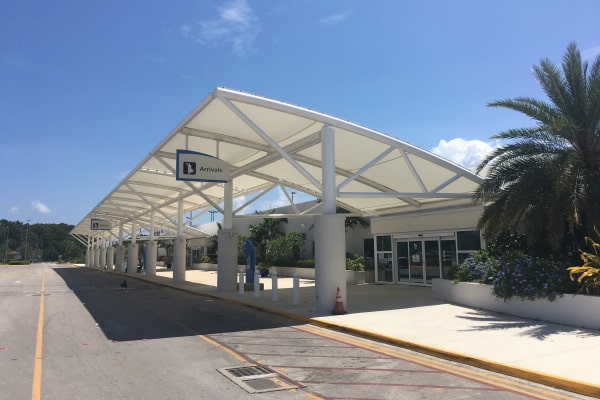
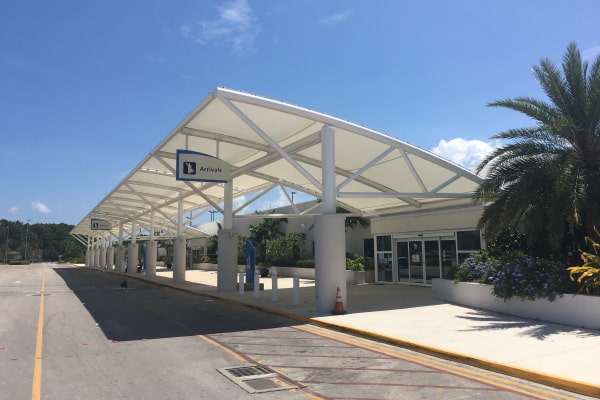
(CNS): While local health officials continue to rate the current risk of the Ebola virus reaching the Cayman Islands as low, enhanced screening measures for selected incoming flights at Owen Roberts International Airport will begin next Thursday. Travellers are encouraged to cooperate fully with all screening or monitoring measures implemented at any ports of entry, as these play an important role in protecting public health.
The World Health Organization has declared the Ebola outbreak in the Democratic Republic of the Congo and Uganda as a Public Health Emergency of International Concern, and international health authorities, including the Caribbean Public Health Agency (CARPHA) and regional public health partners, have advised that there is considerable uncertainty regarding the total number of cases, and several factors suggest the outbreak may be more extensive than currently reported.
According to a release from the Ministry of Health, CARPHA and regional partners have activated enhanced monitoring and travel-related screening measures at ports of entry across the region. These measures include strengthened surveillance systems, traveller screening protocols, and coordination with international public health agencies.
However, the ministry said its current assessment, in line with CARPHA and international health agencies, is that the public health risk to the Cayman Islands and the wider Caribbean region remains low.
The health ministry and the Public Health Department will implement enhanced screening and surveillance measures beginning on 21 May, for selected incoming flights at ORIA. Measures will include increased monitoring of travellers arriving from affected areas, coordination with airport and border control partners, and targeted health questionnaires for people who have recently travelled from countries affected by Ebola outbreaks.
Existing maritime public health and port surveillance protocols remain active at ports of entry, including ongoing monitoring and health reporting requirements for cruise vessels and maritime operators, the release said.
The public is reminded Ebola is a severe viral illness spread through direct contact with the bodily fluids of an infected person or contaminated materials. Symptoms may include fever, severe headache, muscle pain, fatigue, vomiting, diarrhoea, abdominal pain, and unexplained bleeding or bruising.
Chief Medical Officer Dr Hilary Wolf said the Cayman Islands’ existing public health monitoring and response systems remain active and capable of responding should the situation evolve.
“While the current risk to the Cayman Islands remains low, the ministry and Public Health Department continue to monitor the situation closely in collaboration with CARPHA and international public health partners. Existing surveillance and response measures remain in place to support early detection and protect public health,” she said.
The ministry and PHD “will continue to assess the situation in collaboration with regional and international public health partners, and response measures will be adjusted as necessary based on evolving public health risk assessments”, she added.
People who have recently travelled to affected areas should inform Customs and Border Control or public health personnel upon arrival, particularly if they feel unwell or believe they may have been exposed to the Ebola virus. Early reporting helps reduce the risk of transmission and supports timely public health response, health officials said.
Travellers experiencing symptoms should seek medical attention immediately and inform healthcare personnel of their recent travel history.
For more information, contact the Public Health Department at 244-2621.