(The views expressed in this article are the author’s own and do not necessarily reflect the editorial stance of this publication.)
Any discussion of migrant labour is of global significance. Countries across the world experience the movement of workers, as people seek opportunities that can improve their economic and social well-being. The accepted understanding is that an immigrant is a person who leaves the domicile of which he or she is a national to travel to another country in search of work.
This definition of a migrant worker makes it abundantly clear that it does not apply to the Africans who were captured or bought and subsequently traded against their will into slavery on sugar cane plantations in the Caribbean during the 17th century.
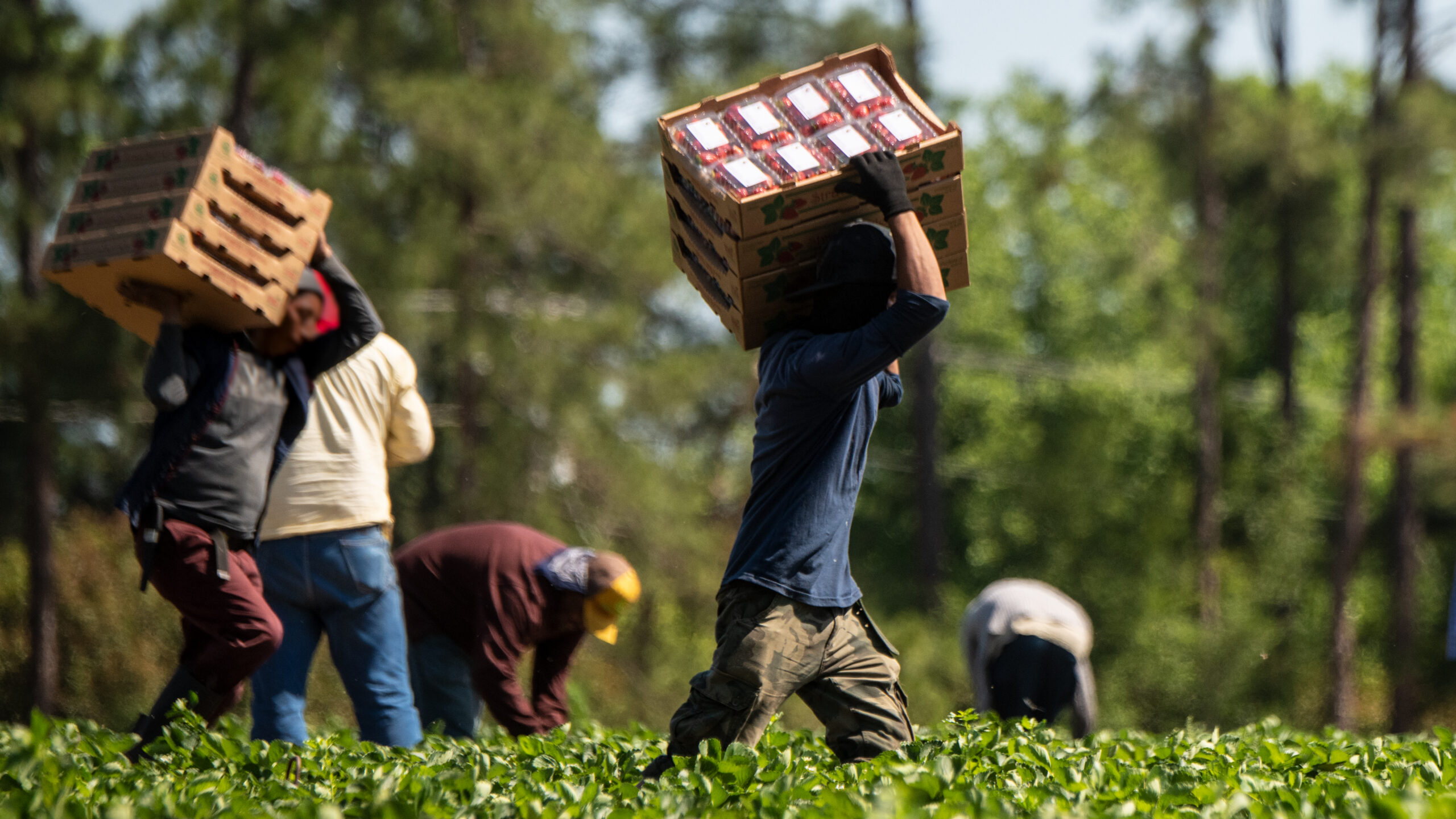
The paradox lies in the guise adopted by some employers to recruit migrants to work under contract and, in some cases, to offer lower rates of pay than those paid to local workers in the jurisdiction. One of the problems associated with this type of recruitment is the poor working conditions under which these migrants are forced to work. There are reports of workers living in overcrowded conditions, having their passports seized by employers, and being made to work extended hours without additional remuneration.
Governments are expected to have an overarching responsibility, through legislation, monitoring and enforcement, to ensure that fundamental human and workers’ rights are neither denied nor abused. It follows that the dignity of and respect for migrant workers should not be ignored or trampled upon.
Migrant workers are entitled to no less favourable treatment than that offered to nationals. It is unconscionable and deceitful for employers to act otherwise. Those who engage in such practices, often under the radar, ought to be publicly exposed and made to face the full consequences of the law.
You Might Be Interested In
This behaviour is best described as prejudicial and intolerable. It is difficult to explain why it continues to be perpetrated with such impunity. A modern form of slavery is being experienced through the use of contract labour, where large numbers of workers are recruited from China, India, Latin America and across the Caribbean region.
The difference in this approach is that workers are paid wages or salaries and, outside of human trafficking, are generally not coerced into migrating for work. Nonetheless, it can be contended that deception often plays a part in the recruitment process.
“Modern slavery refers to situations where individuals are exploited through coercion, threats, deception, or abuse of power, leaving them unable to escape their circumstances. This includes forced labour, human trafficking, sexual exploitation, and debt bondage. Unlike historical slavery, modern slavery often exists within the legal and social grey areas of our globalised economy, hidden behind the facade of legitimate industries.
Globally, over 50 million people are estimated to be trapped in modern slavery, according to the International Labour Organisation, according to Wiam Milles of the Elizabeth Heyrick Society.
It can be argued that where there is a breach of the principles of decent work, the world of employment stands accused of injustice. It cannot be right or fair that equal pay is denied, freedom of movement is restricted, safe working conditions are not provided, and migrant workers are denied the right to representation through trade union membership in order to bargain collectively.
Dennis De Peiza is a labour relations and employment relations consultant at Regional Management Services Inc.