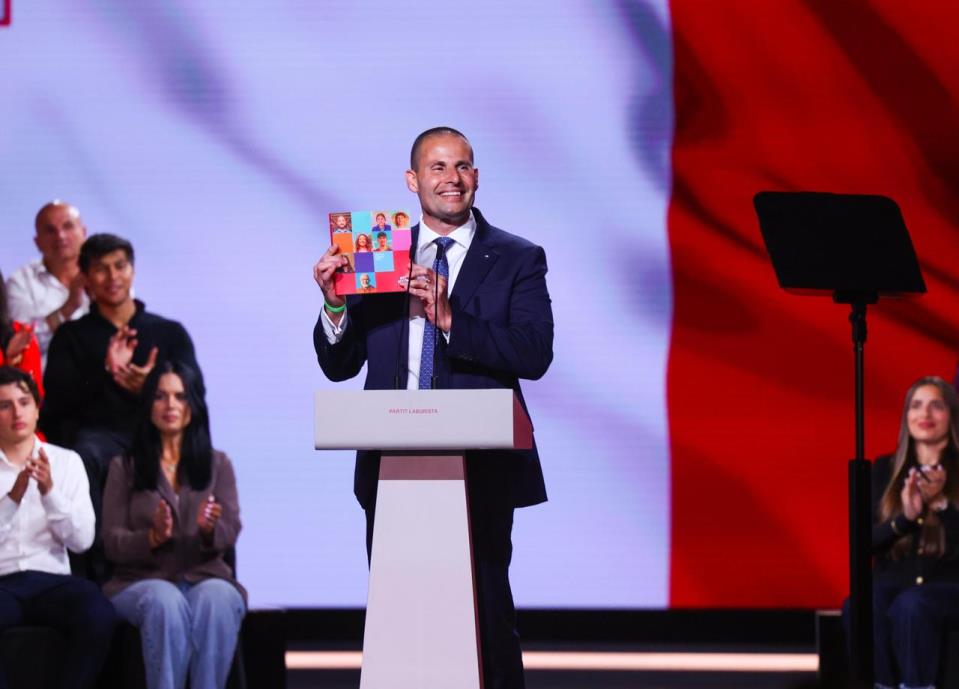
The Labour Party has pledged to hold a referendum on voluntary assisted euthanasia if re-elected to government, placing one of Malta’s most sensitive ethical debates at the centre of its 2026 electoral manifesto.
In its 263-page programme, unveiled on Friday evening during a general conference led by Prime Minister Robert Abela, Labour said discussions on the “delicate issue” should continue and that the public deserves to have its voice heard directly through a national vote.
The proposal follows the public consultation on euthanasia launched during the last legislature, as well as the introduction of a living will framework by the current administration. Labour stopped short of committing itself to immediate legislation, instead promising a referendum should it retain power after the May 30 election.
The euthanasia pledge formed part of a manifesto titled Int Malta, which includes more than 1,000 proposals spread across 24 chapters dealing with the economy, healthcare, education, planning, transport and social policy.
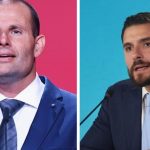
Addressing party supporters, Abela described the document as a programme “borne out of your ideas” and said it reflected Labour’s long-term vision for the country. He insisted the manifesto was rooted in social justice and accused the opposition of presenting what he described as a “hotchpotch of proposals” lacking coherence and financial credibility.
“You know what you get with us,” Abela said, arguing Labour had both the experience and competence to continue governing.
At the same time, the prime minister warned supporters against complacency, insisting that “the ship has not yet entered port” and urging party activists to continue convincing voters of Labour’s proposals in the final stretch of the campaign.
Beyond the euthanasia pledge, the manifesto outlines a series of social and economic targets aimed at improving quality of life over the coming decades. Labour says it wants Malta to rank among the world’s top 10 countries in the UN Human Development Index by 2050, while also increasing disposable household income to 135% of the European average and reducing carbon emissions by 40% from 2005 levels by 2030.
Among the newly announced measures is a Buyers’ Charter intended to strengthen protections for people purchasing property by regulating the responsibilities of developers, banks and estate agents. Labour also promised reforms to simplify the property purchasing process, including the electronic payment of taxes linked to transactions.
The manifesto places significant emphasis on animal welfare, with proposals for a national animal rehoming centre, stricter zoo regulations and the introduction of a “positive list” specifying which animals can legally be kept as pets in Malta. The party also pledged that no new marine zoo licences would be issued.
On planning and development, Labour promised to stop works from beginning while permits remain under appeal – a promise which it has made in the past but has not kep – and said it would launch a consultation process to revise local plans, particularly to protect undeveloped land and address inconsistencies in current policies.
Transport infrastructure also features heavily. The manifesto commits to a Rapid Transit System linking the north and south of Malta, partly through underground infrastructure, alongside a series of major road projects including new flyovers, tunnels and underpasses. It also includes a study into the possible introduction of cable cars.
Other proposals include increased tax deductions for private school fees, a €40 million “blue bond” for investment in water and renewable energy infrastructure, higher film industry cash rebates and a €250 million fund aimed at cushioning Malta against future global economic shocks.
The manifesto additionally contains the first concrete indications of Labour’s vision for Manoel Island, with plans for public recreational facilities including a running track, football pitch, boċċi pitch and sailing centre.
The manifesto can be seen in full here
Below is a list of the main points in the manifesto
Economy
- Targeting 4% annual GDP growth while keeping the deficit below 3%.
- Focusing 90% of new jobs on managerial, technical, or professional roles.
- Lowering corporate tax to 25% for small companies and cutting self-employed social security rates to 10%.
- Maintaining energy subsidies and ringfencing €250 million for global economic shocks.
- Slashing business red tape by 25% using AI and enabling full online business registration.
- Establishing basic bank account rights and mediation for commercial loan disputes.
- Tax incentives: simplifying e-invoicing/VAT, exempting cooperatives from audits, and offering MBR fee waivers for young entrepreneurs.
- Funding €100 million annually for tech sectors like AI, cybersecurity, and robotics, alongside 60% digital tax credits.
- Creating dedicated innovation hubs, research centers, and specialized facilities for SMEs and renewables.
- Expanding gaming and e-sports frameworks, increasing school coding lessons, and building a tournament center.
Work
- Introducing an annual €1,000 worker super bonus, with a €500 minimum guarantee.
- Offering three years of tax-free income up to €30,000 for young market entrants and startups.
- Raising the 10% tax cap on part-time income for both employees and the self-employed.
- Pledging minimum wage increases after 2027 via the Low Wage Commission.
- Negotiating flexible work arrangements and a public sector right to disconnect with social partners.
- Providing grants up to €50,000 for small businesses implementing remote work.
- Strengthening the Industrial Tribunal and transforming industrial relations into a fully-fledged authority.
Training
- Setting up a 10-year, €500 annual fund in an Individual Learning Account for children.
- Mandating 2 to 10 days of annual paid study leave for private-sector workers.
- Extending the skills pass scheme to carers and drivers, and launching a blockchain digital skills passport.
- Investing €10 million into youth mentorship and building a national workforce skills register.
Pensions
- Freezing social security contributions and guaranteeing that the retirement age will not rise.
- Providing a monthly €100 government match for public sector workers utilizing private pension plans.
Planning
- Blocking development projects during the active appeals process.
- Tightening rural policies to restrict ODZ projects and revising local plans to prioritize undeveloped land.
- Expanding Urban Conservation Areas (UCAs) and introducing protective buffer zones.
- Re-evaluating development rules to ensure hotel regulations apply to guesthouses.
- Tracking outdoor seating allocations with clear floor demarcations and revoking permits for repeat offenders.
Education and childcare
- Launching new childcare standards and early curriculum screening for learning difficulties like dyslexia.
- Implementing 30-minute daily targeted sessions for students struggling with core math and Maltese.
- Upgrading technology, finance, and vocational curricula across schools.
- Boosting school principal grants to €30,000 to combat early school leaving, aiming for an 8% target.
- Increasing tax deductions for private and post-secondary schooling to €8,500 per child.
- Renovating major educational institutions including Naxxar Higher Secondary, Junior College, MCAST, and UoM.
- Providing calming spaces, specialized desks, and custom training for educators handling student crisis management.
- Increasing student stipends by 15%, expanding apprenticeship grants, and offering a €1,000 Erasmus bonus.
- Committing to modernizing 100 schools over a 13-year period.
Housing
- Building 260 affordable units sold 30% below market value and completing 700 social housing units.
- Offering interest-free loans covering 25% of property value for first-time buyers and lifting the stamp duty exemption cap to €300,000.
- Waiving stamp duty on transfers to tenants, housing cooperatives, and children receiving primary residences from parents.
- Raising social housing eligibility caps and tapering off housing benefits gradually over two years.
- Allocating €31 million to restore housing estates and upgrade social housing with green energy fixtures.
- Raising the non-primary residence parent-to-child donation tax-exempt cap to €1 million and removing various succession taxes for surviving partners.
- Creating a real-time property register and a comprehensive buyers’ charter.
Construction
- Establishing a state-managed compensation fund to pay out third-party property damages and recoup costs from developers.
- Regulating construction management as an official profession.
- Launching a national tower crane register and creating dedicated storage sites for heavy machinery.
Transport
- Developing a new rapid transit system from the airport to St Paul’s Bay.
- Redesigning public transport networks to create direct routes bypassing Valletta.
- Merging transit systems, taxis, ferries, and micro-mobility into a centralized mobile app and mobility wallet.
- Expanding park-and-ride, ferry service hours, water taxis, and underground parking hubs.
- Enhancing major road infrastructure with a new Tal-Barrani flyover, a Bir id-Deheb tunnel, and a Qormi underpass.
- Upgrading maritime assets via a €55 million Grand Harbour breakwater project and extending shore-to-ship power.
- Removing license fees for bikes under 350cc and raising e-bike grants for youth to €1,300.
- Mandating all new taxis and rental vehicles to be hybrid or electric by 2029, supported by a vehicle-to-grid pilot.
Tourism
- Capping tax deductions for tourism operators’ renovation projects at €1 million.
- Setting up a €30 million upgrade fund for restaurants with individual grants up to €300,000.
- Increasing flight connectivity to the US, China, and the Gulf regions.
- Allocating extra community support resources to boost cleanliness in core tourist zones.
Health
- Establishing a national genetics centre at St Luke’s Hospital alongside an anonymous Health Data Warehouse.
- Lowering free cancer screening ages (cervical, bowel, lung, prostate) to capture high-risk individuals earlier.
- Moving the Floriana health center to Boffa Hospital and extending Qormi and Gżira centers to 24/7 operations.
- Doubling Emergency Department space and increasing ICU capacity by 40% at Mater Dei.
- Introducing specialized units at St Luke’s for outpatient care, pediatric needs, rehabilitation robotics, and short-stay surgeries.
- Eliminating university placement caps for high-demand healthcare tracks like radiography and dentistry.
- Funding advanced therapies for diabetes and skin conditions, and absorbing costs for medicines previously handled by charity funds.
Equality
- Opening a dedicated women’s health clinic with expedited pathways for endometriosis and adenomyosis care.
- Providing free HRT, endometriosis medication, and cervical self-screening tests.
- Extending HPV vaccine availability to men and women under 35.
- Enacting laws to penalize deepfakes and image-based abuse, supported by a revenge porn helpline.
- Mandating large companies to report gender pay gaps and targeting 40% female representation on government boards.
- Establishing an LGBTIQ+ counseling and wellbeing hub in Valletta.
Wellbeing
- Providing free mental health consultations with a psychologist of choice.
- Building an Acute Psychiatric Centre at Mater Dei and a specialized youth community home in Balluta.
- Launching social media age verification and banning energy drinks and junk food sales at children’s clubs.
- Offering free gym memberships to lower-income seniors and those diagnosed with Alzheimer’s or Parkinson’s.
- Implementing community weight loss programs backed by €100 home fitness equipment grants.
Gozo
- Allocating €130 million to expand the Gozo Channel fleet to five vessels.
- Opening an air taxi link to Malta International Airport and developing Marsalforn as a fast ferry terminal.
- Offering rent subsidies to attract AI, MedTech, and Agri-Tech startups.
- Initiating an expression of interest for a new 400-bed hospital and running the Victoria health center 24/7.
Justice
- Overhauling civil court delays, notification failures, and precautionary warrants to prevent legal abuse.
- Restructuring the Family Court into a unified building covering civil and criminal matters.
- Mandating that compilation proceedings must conclude within one year.
- Finalizing the Commercial Court construction and opening a specialized judiciary training academy.
Energy
- Planning a 300MW offshore wind farm and a third interconnector link by 2035.
- Maintaining current state subsidies on domestic energy and fuel.
- Funding a hydrogen-ready gas pipeline and a €40 million “blue bond” for solar, water, and sewage infrastructure.
- Launching a solar farm buy-in scheme for families lacking private roof access.
Home Affairs & Security
- Enhancing pension plans and health benefits for disciplined forces, alongside a new training academy sports complex.
- Increasing digital police patrols and modernizing six regional stations.
- Integrating drone support into Civil Protection Department emergency response operations.
- Supplying the Armed Forces of Malta with a new aircraft, helicopter, flight simulator, and underwater drone.
- Constructing two halfway houses and dedicated education hubs within the correctional system.
- Prioritizing foreign labor access for businesses that permit worker unionization.
Towns and Villages
- Converting all residential streetlights to energy-efficient LEDs by 2028.
- Installing a public drinking water fountain in every locality.
- Assisting local councils with electric vehicle fleet transitions and deploying smart underground bins.
Parks and Green Projects
- Protecting White Rocks and Manoel Island from development, allocating them for research, parks, and recreation.
- Splitting the ERPT to form a specialized environmental tribunal.
- Funding pedestrian zones in San Ġwann, roofing the Santa Venera road, and executing afforestation projects around Magħtab and San Niklaw.
Town Infrastructure
- Driving urban regeneration projects in Marsa, Floriana, and Cospicua.
- Constructing a functional national database of public wells and cisterns by 2035.
- Extending national flood mitigation infrastructure by four kilometers.
- Funneling a portion of the tourist eco-contribution tax directly to local councils.
Malta’s Foreign Policy
- Preserving Malta’s constitutional stance on absolute neutrality.
- Launching bids for the UN Human Rights Council and the UN Security Council.
- Assisting local business groups to pool resources for international investment projects.
Governance
- Upgrading ethical guidelines for cabinet members and introducing parliamentary anti-deadlock tools.
- Scheduling a public referendum on the legalization of euthanasia.
- Extending anti-SLAPP protections and expediting outstanding libel cases.
- Standardizing digital document wallets and training public officials in Microsoft Copilot by 2027.
Families
- Raising the newborn baby bonus to €5,000 and adoption grants to €15,000.
- Extending maternity leave to 26 weeks, paternity leave to one month, and adding six months of state-paid parental leave.
- Providing free fertility testing for young adults and expanding state-funded IVF cycles to five.
Social Services and the Elderly
- Increasing weekly pensions by €10 every year, totaling a €50 increase.
- Ensuring widows and widowers inherit 100% of their deceased spouse’s pension rate.
- Deploying automated pill dispensers and wearable fall-detection sensors for vulnerable seniors living alone.
Inclusion
- Fully funding all basic and specialized medical therapies for minors under 18.
- Doubling first-time buyer grants to €20,000 for individuals with severe disabilities.
- Introducing specialized communication tools, a ‘work buddy’ employment system, and sensory-friendly hours in public entities.
Food, Fishers and Farmers
- Banning speculative development on agricultural land and prioritizing allocations for young farmers.
- Constructing a new vegetable market (pitkalija) equipped with advanced storage systems.
- Declaring Comino a dedicated sanctuary for the endemic Maltese honeybee.
- Supporting fishers with boat restoration funds, fuel tax credits, and specialized youth quotas.
Sport
- Granting 10 days of paid sports leave for elite athletes representing Malta abroad.
- Building a high-performance training center, a Special Olympics hub, and dedicated complexes for sand sports and futsal.
- Completing the national motorsport center and upgrading the Ta’ Qali, Marsa, and Kirkop stadiums.
- Covering 50% of sports administrator wages for federations up to €20,000 annually.
- Launching a centralized app to track facility hours and supporting councils with outdoor gym equipment.
Art & Culture
- Expanding the Heritage Malta passport to the general public.
- Giving youth aged 18 to 21 a €200 annual cultural event allowance.
- Finishing the Marsa Arts Hub, restoring the Cottonera Lines, and turning Fort Binġemma into a national space park.
- Introducing a 10% expense rebate for artists and boosting foreign film production cash rebates to 45%.
- Funding audiobook production, book exports, a national text-to-speech system, and a Maltese reader pen for dyslexic students.
- Relocating the Natural History Museum and transforming the Birgu Old Armoury into a People’s Museum.
Animal Rights
- Publishing a “positive list” regulating allowed domestic pets.
- Renovating the Ta’ Qali animal hospital to offer free emergency consultations.
- Establishing a dedicated rehoming center and tracking pet-friendly businesses.