Reporters Without Borders (RSF) has condemned Niger‘s sudden move to suspend most major French media outlets.
The military junta in western Africa accused the outlets from former colonial power France of endangering national unity and public order, without offering examples or evidence.
It gave no reason for the sudden blanket ban, but it coincides with the aftermath of a major militant uprising in neighboring Mali — which is also run by a Russian-backed military government — by separatist and Islamist elements that are active in parts of Niger as well.
Which media outlets did Niger ban?
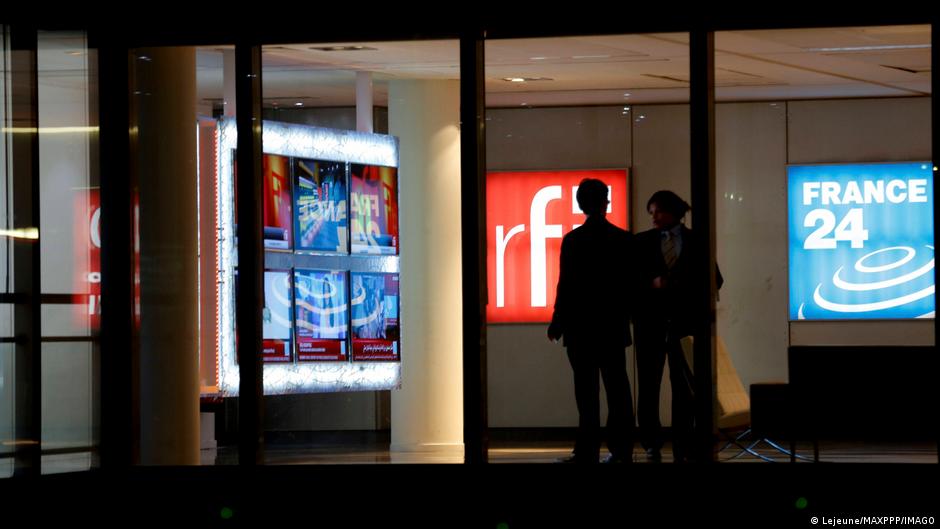
Niger’s authorities announced the suspension on Friday, saying it affected nine of France’s main media organizations: AFP, France 24, Radio France Internationale (RFI), France Afrique Media, LSI Africa, TV5 Monde, TF1 Info, Jeune Afrique and Mediapart.
A statement read on state television accused the outlets of repeatedly broadcasting what it described as “content likely to gravely endanger public order, national unity, social cohesion and the stability of the institutions.”
The media regulatory authority did not say how long the suspension would apply for, nor did it give any examples of broadcasting it deemed unacceptable. It did however say the outlets’ reporting was liable to undermine troop morale.
RFI and France 24 were suspended a few days after the 2023 coup that brought a military-led government to power and would soon lead to a severing of ties with France and closer alignment to Russia.
Earlier in the week, Burkina Faso — an ally of Mali and Niger in the Alliance of Sahel States (AES) that unites three former French colonies now run by military officers with close connections to the Kremlin — also suspended TV5 Monde.
What did RSF say about the ban?
RSF said online that the suspension had been issued “on the basis of fabricated charges” and alleged it was part of a regional strategy to stifle independent media.
“RSF condemns a coordinated strategy to repress press freedom within the AES and calls for the immediate reversal of this abusive decision,” it wrote.
How did the army come to control Niger?
Niger’s mlitary government came to power in 2023, party using anti-French sentiment and public anger at the ineffective repression of insurgent groups by security forces to drum up support with the public.
It promised a swift transition back towards democratic rule, and moved to expel French security forces and bring in Russian security companies in their stead.
It also moved to eject various French commercial interests.
By 2025, it finally swore in the coup leader, General Abdourahamane Tchiani, as what it called an interim president. He was scheduled to serve a five-year “transitional” term.
Uprising in northern Mali unsettles AES
The Sahel region remains one of the most unstable parts of the world. According to a recent Council of Foreign Relations report, 51% of global terrorism-related deaths took place in the Sahel in 2024.
Mali, Niger, Burkina Faso, Nigeria and Chad all face major security threats from an array of different Islamist and separatist groups.
The issued has come into particularly sharp focus in the AES countries since late April, when Tuareg rebels and Islamist groups joined forces to try to drive Mali’s junta and Russian troops out of the north of the country, including regions near Niger’s border.
The extent of their success is not very reliably documented, but Mali’s government suffered territorial losses, the death of its defense minister, and other setbacks. Russia has been vague on its losses and response as well.
Niger’s move also comes shortly before French President Emmanuel Macron will attend a special conference in anglophone Kenya, trying to help define a more modern postcolonial role in Africa for France. None of the AES members plan to attend.
Edited by: Saim Dušan Inayatullah