
(CNS): Health officials have said that some of the passengers who arrived in the Cayman Islands Saturday evening on the British Airways flight that had been held in the Bahamas will be closely monitored in the coming weeks as a precaution due to potential exposure to Ebola. The flight was detained at Nassau after two passengers who had been in the Democratic Republic of Congo for over three weeks before travelling through Ethiopia became unwell.
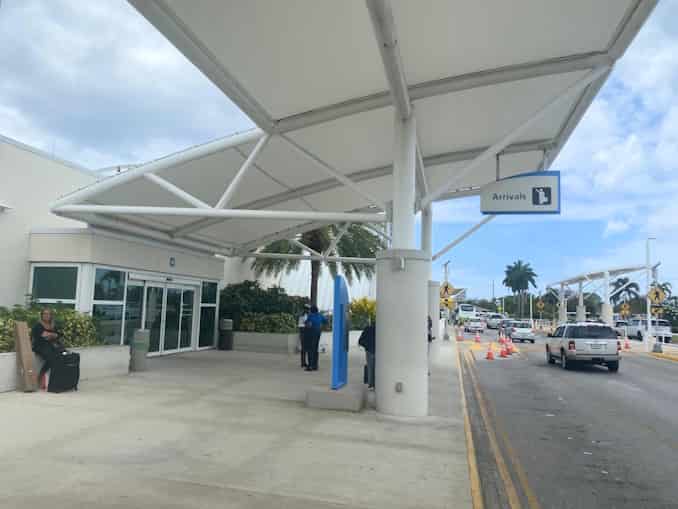
Cayman officials said passengers on Friday’s cancelled BA253 flight bound for Grand Cayman arrived at Owen Roberts International Airport (ORIA) on Saturday. However, a group of them underwent additional screening on arrival and will be proactively monitored by the Public Health Department in accordance with established public health protocols.
The two passengers in question had not been in the same region of the Congo where the current Ebola outbreak has occurred. Nevertheless, after the men became sick, the protocols surrounding possible exposure for travellers were initiated in the Bahamas.
CI Chief Medical Officer Hilary Wolf and other senior health officials were at ORIA to brief Customs and Border Control staff for the arrival of the flight and provide support to the Public Health team. All arriving passengers were asked to complete a health questionnaire and confirm their contact details, enabling public health officials to maintain appropriate monitoring and surveillance in the coming days.
CNS understands that the passengers who will be monitored more closely are those seated closest to the passengers who became unwell. Medical Officer of Health Dr Samuel Williams-Rodriguez explained that the Public Health team did not conduct any Ebola testing on passengers because at this point it would not be detectable.
“Ebola is a viral illness transmitted through direct contact with the bodily fluids of an infected individual,” he explained. “A person infected with Ebola cannot spread the virus until they develop symptoms. Symptoms may include fever, severe headache, muscle pain, fatigue, vomiting, diarrhoea, abdominal pain and unexplained bleeding or bruising.
“Symptoms develop between 2 and 21 days following exposure. Ebola virus can be detected in blood after the onset of symptoms. However, it may take up to three days after symptoms start for the virus to reach detectable levels.”
Health officials stressed that the risk of transmission is very low. “Ebola is not airborne; you cannot contract it by being near someone. Transmission requires direct contact with the bodily fluids of the infected person, such as through broken skin or mucous membranes, and even then, only after they have started showing symptoms,” Dr Wolf stated.
“This is an epidemic that is happening somewhere else, and it is very different in terms of transmission than COVID. Prevention strategies are, therefore, focused on travel. While we recommend avoiding travel to the Democratic Republic of Congo at this time, those who have travelled to the area and feel unwell, or believe they may have been exposed to Ebola Virus disease, are asked to do their part in notifying CBC or Public Health personnel upon arrival,” she added.
Meanwhile, Health Minister Katherine Ebanks-Wilks, who is currently overseas, said in one of several government press releases that the coordinated response demonstrated the strength of local public health systems and the importance of international cooperation in managing potential public health risks. She also said the risk of Ebola transmission remains very low.
“The Cayman Islands has established public health protocols in place and we remain prepared, vigilant and equipped to respond appropriately to incidents of this nature,” the minister added.
Parliamentary Secretary Heather Bodden is acting Minister in her absence.
ABOUT EBOLA: Ebola Virus Disease (EVD) is a serious viral illness spread through direct contact with the blood or bodily fluids of a person who is showing symptoms of the disease. Ebola is not spread through the air, water or food. Individuals infected with Ebola cannot transmit the virus until symptoms develop. Symptoms may appear between two and 21 days after exposure and can include:
Fever
Severe headache
Muscle pain and weakness
Fatigue
Vomiting and diarrhoea
Abdominal pain
Unexplained internal or external bleeding or bruising
Members of the public are encouraged to practise good hand hygiene, avoid direct contact with bodily fluids of individuals who are unwell, and seek medical advice if they develop symptoms following recent travel to affected areas or contact with a suspected case.
For more information, to speak with a Public Health official or to report symptoms call the Public Health Department on (345) 244-2849.