THE UK Government has issued guidance on doing business with the Falkland Islands amid threats of sanctions from Argentina.
The guidance, which the Legislative Assembly say they “welcome”, states that Argentina has “no right to exercise jurisdiction over the Falkland Islands or to apply its domestic law within the Islands, nor towards any companies or individuals participating in business in or connected with the Islands.”
It continues that previous measures introduced by Argentina have not prevented Falkland Islanders from developing a successful economy, “such measures have been in place for many years, and throughout that period the Islands’ economy has continued to grow.”
The document sets out the UK’s position over the Falkland Islands and explains that FIG is responsible for regulating economic activity within the Islands, but the UK Government “supports the right of the Falkland Islanders to develop their natural resources, including hydrocarbons, for their own economic benefit.” Decisions about which are for FIG and companies involved, the guidance added.
The document, issued by the Foreign, Commonwealth and Development Office and the Department for Business, Innovation, Science and Trade, concluded that, “Where a company, or a subsidiary or supplier of that company, comes under pressure in a third country in connection with legitimate and lawful Falkland Islands business, the UK Government is ready to make its position clear directly to any company seeking reassurance.”
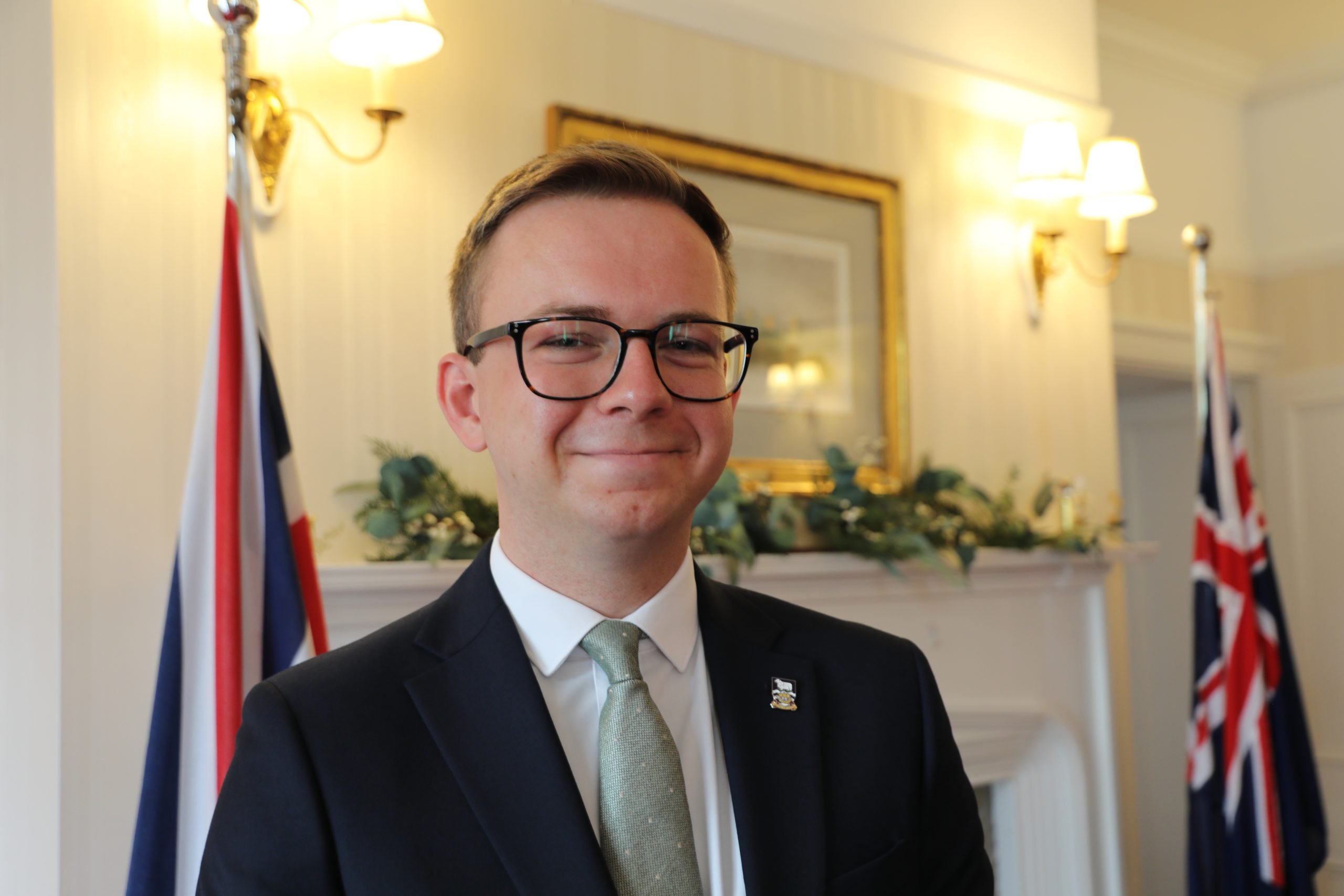
MLA Jack Ford, Chair of the Legislative Assembly, said they “warmly welcome” the guidance that it is “very much business as usual.”
He added that the document reaffirms “their unwavering commitment to the Falklands, our rights to self-determination, our rights to develop our natural resources for the benefit of the people in the Falklands, and further provides reassurance to those within the Falklands but also companies seeking to do business here that the UK supports those rights and is committed to the Falkland Islands.”
MLA Ford added that recent moves from Argentina were “nothing new” from a nation “attempting to bully a smaller democratic free nation… I say we’ve prospered very successfully in the face of challenges in the past.”