Prime Minister Robert Abela on Monday called a general election for Saturday 30 May, one year before the legislature was supposed to end.
The campaign will be the bare minimum provided for by the law: 33 days. Abela’s legislature was supposed to run until August next year at the latest, five years and three months after the first parliamentary sitting which was in May 2022.
The Prime Minister had given mixed messages in the past on the matter of an early election: late last year he said that he wanted to see out another Budget – which would have taken place in October 2026 – and, but he has also said that he would consider calling an early election if the international situation was to worsen and due to a change in leadership within the PN.
But as speculation mounted, Abela ultimately chose to take the plunge and take the country to the polls a year ahead of schedule, like his predecessor Joseph Muscat had done in 2017.
Abela’s Labour Party remains ahead in the polls, though not by the margins that the party has been used to in the past 13 years.
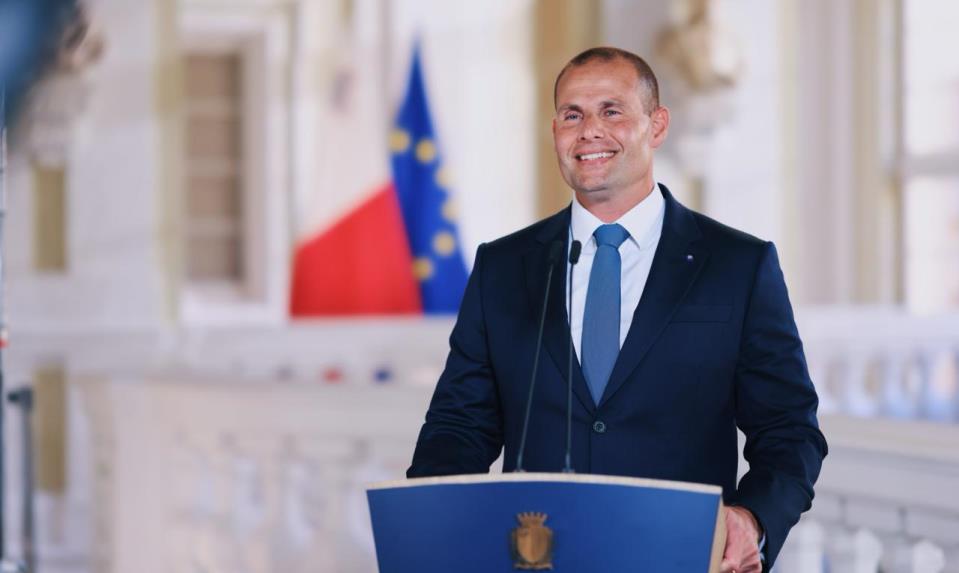
Abela announced the date of the election in a national address, saying he will advise the President to dissolve Parliament. After the speech was made public, President Myriam Spiteri Debono signed off the dissolution of Parliament in the presence of Abela at the Presidential Palace.
The decision comes amid what Abela described in his address as an “extraordinary international situation,” particularly highlighting concerns over global energy scrutiny linked to ongoing conflict in the Middle East.
He stressed that Malta is prepared for long-term challenges and assured citizens that electricity, water, and fuel prices will remain stable under the government’s plan.
Abela said the the country’s finances are strong enough to absorb external shocks, pointing to €250 million in what he called savings set aside to shield families and businesses.
He contrasted Malta’s approach with other countries facing rising energy costs and restrictions, emphasising that his government aims to protect citizens from similar burdens, framing the election as necessary for stability.
Abela stated that Malta needs a fresh mandate to navigate the coming years. He reiterated his administration’s focus on economic resilience, social support, and quality of life, pledging a “feasible, studied and responsible” plan rather than engaging in political bidding.
The Prime Minister also highlighted ongoing and future initiatives under the government’s long term “Vision 2050”, promising continued investment in major projects and reforms aimed at improving wellbeing. The election will determine the leadership tasked with steering Malta through a period of global uncertainty and domestic priorities centred on stability and growth, he said.
The Prime Minister warned of the risk that disruptions in oil, gas, petrol and diesel could become a long-term reality rather than a short-term crisis. He said such developments are already shaping a new normal internationally, with several countries facing the prospect of energy restrictions, higher fuel prices and increased utility bills.
The Prime Minister also used the address to reflect on his government’s track record over recent years, citing economic growth, social support measures and major infrastructure projects.
He argued that these achievements were made possible through a consistent focus on stability, careful economic management and a commitment to prioritising people’s wellbeing.
Looking ahead, Abela said the election will give voters the opportunity to choose a government equipped to navigate the challenges of the coming years.
He stressed that the next administration must be fully focused on the country’s needs, particularly given the uncertain global context and the importance of decisions expected in the months ahead.