WardheerNews analysis
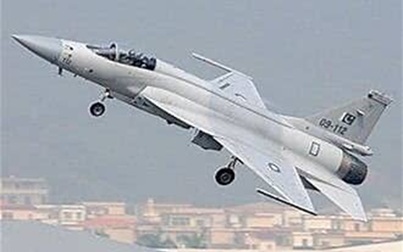
Somalia’s reported acquisition of 24 JF-17 Thunder fighter jets is being framed by officials as a step toward rebuilding national defense capacity. But analysts say the plan raises urgent questions about affordability, priorities and strategic fit in a country still grappling with conflict and economic fragility.
The aircrafts reportedly financed by Saudi Arabia would mark one of the most significant military procurements in Somalia’s recent history. Yet the purchase price, estimated at around $900m, is only part of the equation. Neither Somalia’s Ministry of Defense nor Pakistan’s Ministry of Defense has issued a formal statement, but officials confirmed that final contracts were signed earlier this week following months of negotiations.
According to Pakistani media reports, In February 2026, Somalia’s Air Force Commander, Mohamud Sheikh Ali, visited Islamabad to pursue the acquisition of fighter jets.
While the deal is a major step forward, Somalia will need to rebuild its air force, airbases, air traffic control systems, and maintenance infrastructure to fully utilize the aircraft before the delivery date slated to be after 24 months.
A recurring cost, not a one-time investment
Military aviation specialists’ emphasis that operating costs quickly eclipse acquisition. Each JF-17 Thunder is estimated to cost between $3.3m and $5.8m annually to operate, including maintenance, fuel and personnel. For a fleet of 24 aircraft, that translates to roughly $80m to $140m per year.
Over time, the financial exposure deepens:
- Lifecycle cost per jet: $60m–$80m
- Fleet total: $1.4bn–$1.9bn (excluding weapons systems)
The routine maintenance, spare parts, training and periodic engine overhauls, which includes the estimate expenses is critical and cannot be deferred without grounding the fleet.
A fragile economic backdrop
For Somalia, such commitments come at a time of continued economic strain. International partners fund a significant share of the national budget, estimated at about 70 percent. Meanwhile, the government faces competing demands, from humanitarian relief to rebuilding infrastructure and public institutions.
Security challenges also remain acute. The armed group Al-Shabaab continues to control or influence parts of the country, while affiliates of Islamic State are active in the Puntland.
Somalia’s broader stabilization efforts are still supported by international missions, including the United Nations Assistance Mission in Somalia, underscoring the country’s ongoing reliance on external assistance.
Symbolism versus sustainability
Defense analysts question whether advanced fighter aircraft are suited to Somalia’s primary security challenges. Al-Shabaab operates as an insurgent network, avoiding conventional battlefields and relying on mobility and local embedding. In such contexts, air power alone offers limited effectiveness without robust intelligence and coordinated ground operations.
“Fighter jets are designed for state-on-state conflict,” one regional analyst said. “Somalia’s threat environment is fundamentally different.”
Supporters of the acquisition argue that rebuilding an air force is essential for long-term sovereignty and reducing dependence on foreign security actors, but the financial and operational demands risk outpacing the state’s capacity.
The JF-17 Thunder is often described as a cost-effective platform compared with aircraft such as the F-16 Fighting Falcon or Dassault Rafale. Even so, analysts note that “cost-effective” is relative—and remains expensive in absolute terms for a low-income country.
Balancing priorities
The debate ultimately reflects broader tensions over state-building priorities. Somalia continues to face high levels of displacement, unemployment and limited access to essential services. Against this backdrop, committing tens of millions of dollars annually to sustain a fighter fleet raises difficult policy questions.
Whether the investment strengthens national capacity or stretches already limited resources may depend less on the aircraft themselves, and more on how Somalia balances defence ambitions with economic realities.
An open question
For now, the proposed acquisition remains as much a political signal as a military development. The purchase of the advanced fleet tastes like when the government minister of transport and civil aviation was painting on every wall that they have purchased two Airbus aircrafts with the view of reintroducing Somali Airlines – the current government of President Hassan more often than not, always day dreams and lies to the public nonstop.
The key question is not whether Somalia can acquire advanced aircraft—but whether it can sustain them over time without undermining broader stabilization efforts. As one analyst put it: “Buying jets is a moment. Maintaining them is a commitment.”
WardheerNews