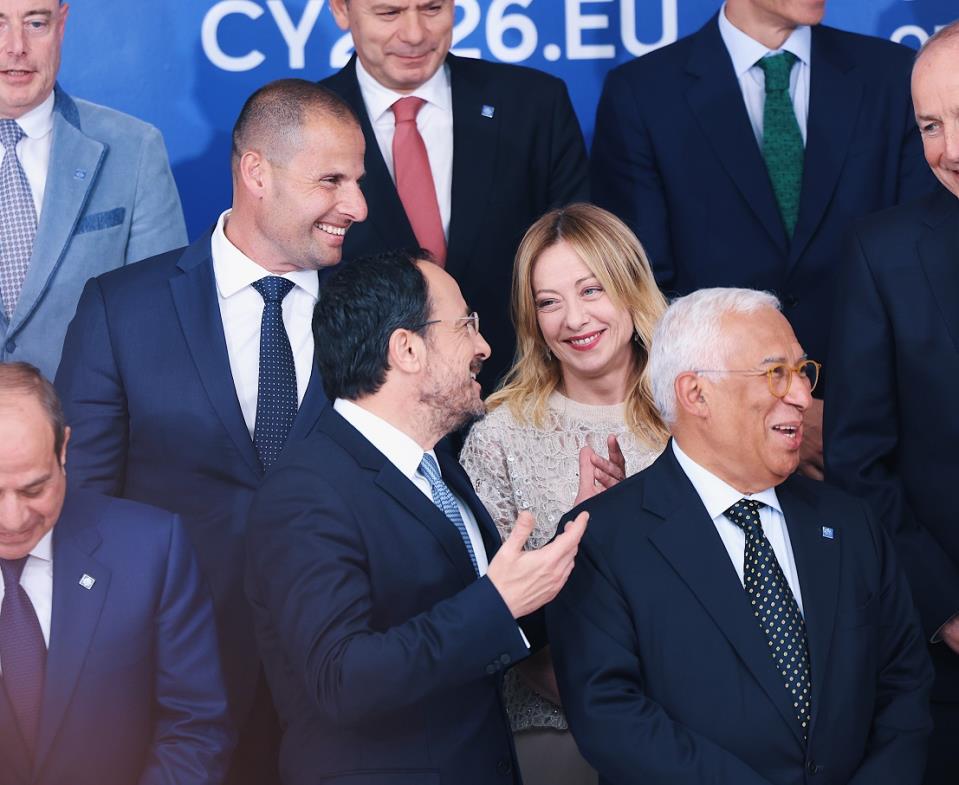
Prime Minister Robert Abela has reaffirmed Malta’s commitment to shielding households and businesses from rising energy costs while calling for greater flexibility within European Union measures, during an informal meeting of EU leaders held in Cyprus.
Speaking at the high-level gathering, Abela emphasised that Malta will continue implementing measures to maintain stable energy prices and ensure secure supply and connectivity. He argued that while the European Union must strengthen its energy resilience, policies must reflect the realities of smaller and peripheral member states, particularly island nations. He stressed the need to balance climate ambition, competitiveness, and consumer protection.
The summit opened with discussions on Russia’s ongoing invasion of Ukraine, including an address by Ukrainian President Volodymyr Zelensky. Abela reiterated Malta’s solidarity with the Ukrainian people and underlined the importance of maintaining EU unity. He called for continued pressure on Russia, sustained and predictable support for Ukraine, and parallel efforts to encourage diplomatic solutions aimed at ending the conflict.
EU leaders also examined developments in the Middle East and their broader implications for European security and economic stability. Particular attention was given to the impact on energy prices and supply chains. Within this context, Abela highlighted that energy price stability remains a central priority for the Maltese government, warning that external shocks must not disproportionately burden citizens and businesses.
Discussions further extended to the progress of negotiations on the EU’s Multiannual Financial Framework (MFF) for the 2028-2034 period. Abela stressed the continued importance of Cohesion Policy and insisted that funding frameworks must take into account the specific circumstances of smaller and peripheral states. He maintained that EU funds should support economic resilience and help mitigate the impact of volatile energy markets.
The Prime Minister also addressed the accessibility of funding tied to competitiveness, urging that conditions linked to such funds should allow for broad participation across all member states. He argued that equitable access is essential to ensure that the benefits of EU financing are shared widely.
Later in the day, EU leaders engaged in discussions with regional partners, including representatives from Jordan, Lebanon, Egypt, and Syria, as well as the Secretary General of the Gulf Cooperation Council. Talks focused on regional stability, cooperation opportunities, and the need for de-escalation, dialogue, and full respect for international law.
The meeting took place at a critical juncture for the EU, as leaders sought to align their positions in response to multiple geopolitical and economic challenges. The summit also served to shape the political direction for key strategic decisions expected to influence the bloc’s future trajectory.