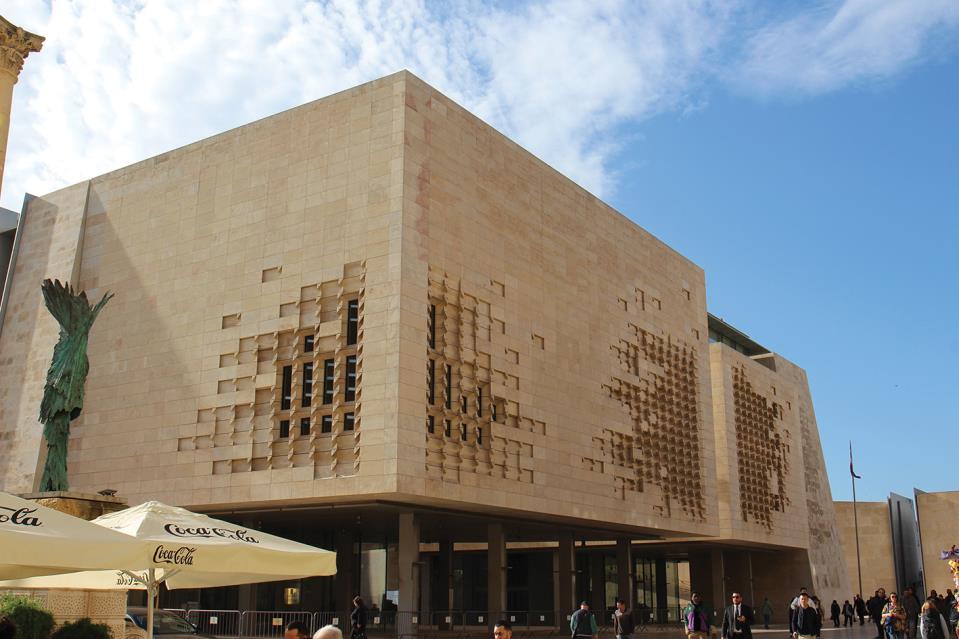
Parliament on Thursday debated a bill tabled by the Nationalist Party titled “Combating of Loneliness and the Strengthening of the Well-being of Society Bill.”
The bill seeks to formally establish loneliness as a national concern, framing it not simply as a private emotional struggle but as a systemic issue with far-reaching social, health, and economic consequences.
The bill was introduced by PN Shadow Minister for Loneliness Ivan Bartolo, who emphasised that the proposal is grounded in lived experiences as well as professional expertise.
According to Bartolo, extensive consultations were held with individuals experiencing isolation, alongside professionals.
“This bill is not simply a legal document. It is a reflection of the values we want to uphold as a society,” he said.
Bartolo said that loneliness has remained largely absent from political discourse despite mounting evidence of its prevalence.
Surveys conducted in Malta, he said, indicate a worrying rise in people reporting feelings of isolation across different age groups and social backgrounds.
“A person can be surrounded by others and still feel alone,” he said.
Central to the bill is the recognition of loneliness as a public health issue, as Bartolo cited modern research linking prolonged isolation to increased risks of depression, anxiety, and even cardiovascular disease.
“This is not only an emotional challenge,” he said. “It is also a physical and economic problem.”
The financial implications are also significant, with loneliness contributing to increased demand on healthcare services, particularly in mental health care, he said.
By addressing the root causes of isolation, Bartolo said that the state could alleviate pressure on public health systems while improving overall quality of life.
Bartolo identified several groups that are disproportionately affected by loneliness.
Among them are elderly individuals living alone, young people who rely heavily on digital communication, persons with disabilities, immigrants, and those experiencing social or economic marginalisation.
He pointed out that modern lifestyles are contributing to the problem. Longer working hours, increased economic pressures, and the fast pace of daily life are reducing opportunities for meaningful social interaction.
Government response and existing measures
Social Policy Minister Michael Falzon echoed concerns about the rise of loneliness, describing it as a paradox of modern society.
“We are living in an absurd irony,” Falzon said. “We have more ways to communicate than ever before, yet people are feeling more alone.”
He warned that while digital technologies, including artificial intelligence, offer many benefits, they cannot replace human empathy or genuine interpersonal relationships.
According to Falzon, an overreliance on digital communication may be contributing to a decline in social skills and deeper human connections.
Despite acknowledging the seriousness of the issue, Falzon cautioned against expecting quick or comprehensive solutions through legislation alone.
“It is not an easy thing to legislate,” he said.
Falzon highlighted several initiatives already introduced by the government to address loneliness.
These include the 1772 helpline, launched during the Covid-19 pandemic to support individuals experiencing isolation, as well as online chat services designed to appeal to younger users who may prefer texting over speaking.
Additionally, the government has invested in community spaces aimed at encouraging social interaction and fostering a sense of belonging, Falzon said.
“No one can solve all the problems, but each of us can make a meaningful difference in someone else’s life,” Falzon said.
Loneliness Bill backed by Alex Borg
Opposition Leader Alex Borg expressed strong backing for the bill, describing it as a necessary and forward-looking initiative.
Borg said that the appointment of Bartolo as Shadow Minister for Loneliness signalled the Opposition’s commitment to addressing the issue in a serious and structured manner.
“This is about protecting the most vulnerable in our society,” Borg said, thanking both Bartolo and the professionals involved in drafting the legislation.
Borg linked loneliness to issues such as workplace stress, in-work poverty, discrimination based on gender, ethnicity, or disability, and unequal access to essential services.
The bill, he added, calls for increased research and data collection to better understand the scope and impact of loneliness in Malta.
It also encourages the development of targeted policies aimed at reducing its negative effects on mental and physical health, Borg said.