Princess Kasune Zulu tested positive for HIV in 1997. At the time, the victim of child marriage in Zambia suspected she contracted the disease from her husband. He had lost two previous wives to AIDS.
A year later, she went public with her status in an autobiograpy titled “Warrior Princess: Fighting for Life with Courage and Hope” (2010). Today, the once orphaned teenage mother and HIV activist is Zambia’s justice minister.
The ministry has now rendered all sexual offences non-bailable.
The enactment of the Criminal Procedure Code (Amendment) Act No. 4 of 2026 now means that suspects of serious offences in Zambia, including child sexual abuse, rape and incest, must remain in custody until their cases are concluded by the courts.
Zulu was one of the first people to announce the change, which has since caused a wide variety of opinions — some positive, others negative — about the need to protect victims and the risk of injustice to the accused.
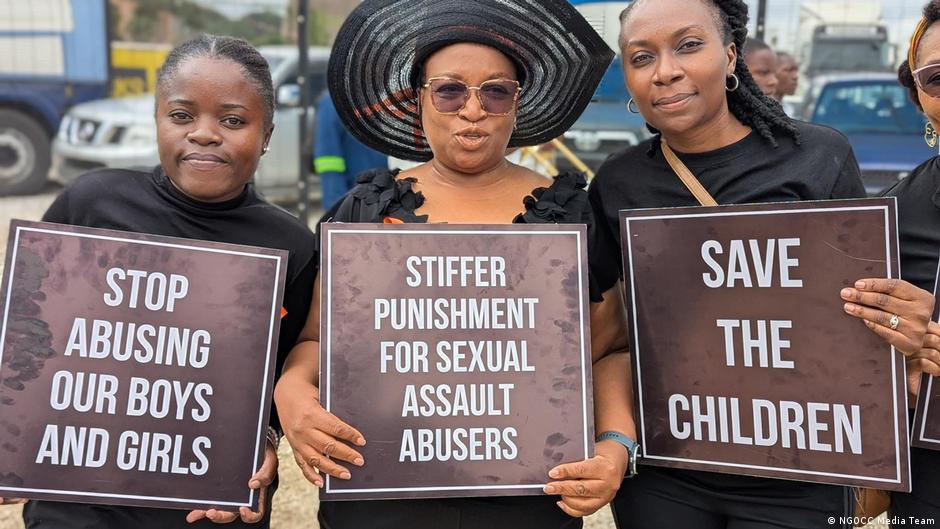
Women’s groups cheer the new law
The Young Women’s Christian Association (YWCA) has touted the new law as progressive.
“For many years, we have seen survivors and their families complaining that the moment the alleged perpetrator is arrested, within a short period of time, we have seen these perpetrators roaming about the streets and further going to intimidate these families. So, for this, we commend government,” YWCA Executive Director Regina Musa Katongo said.
The change restores public confidence in the justice system, she added.
Musician Daputsa Nkata-Zulu, who is popularly known as Sister D and advocates for the rights of women and children, welcomed the development too.
“It’s music to my ears! We’ve always advocated for ‘no bail, no bond for sexual offenders,” she said.
“[As] somebody who has always worked with people who have been raped — women who have been raped, children who have been defiled — I think those people deserve better, and to see this come to light, is great news for me.”
Concerns about the risk of injustice
A number of mainly men have raised concerns, women, especially those scorned, could use the law to file false allegations.
Others argue that a suspect could spend years in prison by the time they are proven innocent, given Zambia’s track record of delays with court cases.
“I have seen people in police cells, who have actually been there for a year and a half. They just say, no, I just get taken to court and it’s adjourned,” said Steven Akakulubelwa Banda, a Lusaka resident.
“Now, imagine doing that to an individual, based on hearsay.”
Action Against Sexual Violence Executive Director David Chishimba sees the law as extraordinary, but argues that the high rate at which the vulnerable are being sexually abused in Zambia, calls for such severe measures.
A need for safeguards
Chishimba believes that the new measure doesn’t take away the presumption of innocence, but puts sexual offenses on the same footing as other serious crimes such as murder and treason.
The introduction of robust investigative infrastructure and fast track courts could address fears of wrongful or unlawful detention, he told DW.
“We have an opportunity, here, to achieve both, where we can protect the innocent, as well as achieve fair trial for those who are wrongfully accused, but what we should not do is relax these laws.”
The level of sexual violence is high in Zambia, according quarterly reports published by the Zambia Police Service and Ministry of Gender.
In the fourth quarter of last year, 1,022 sexual abuse cases were reported countrywide — a 5.6% rise from the previous year, with 159 rapes and 689 cases involving children.
Edited by: Benita van Eyssen