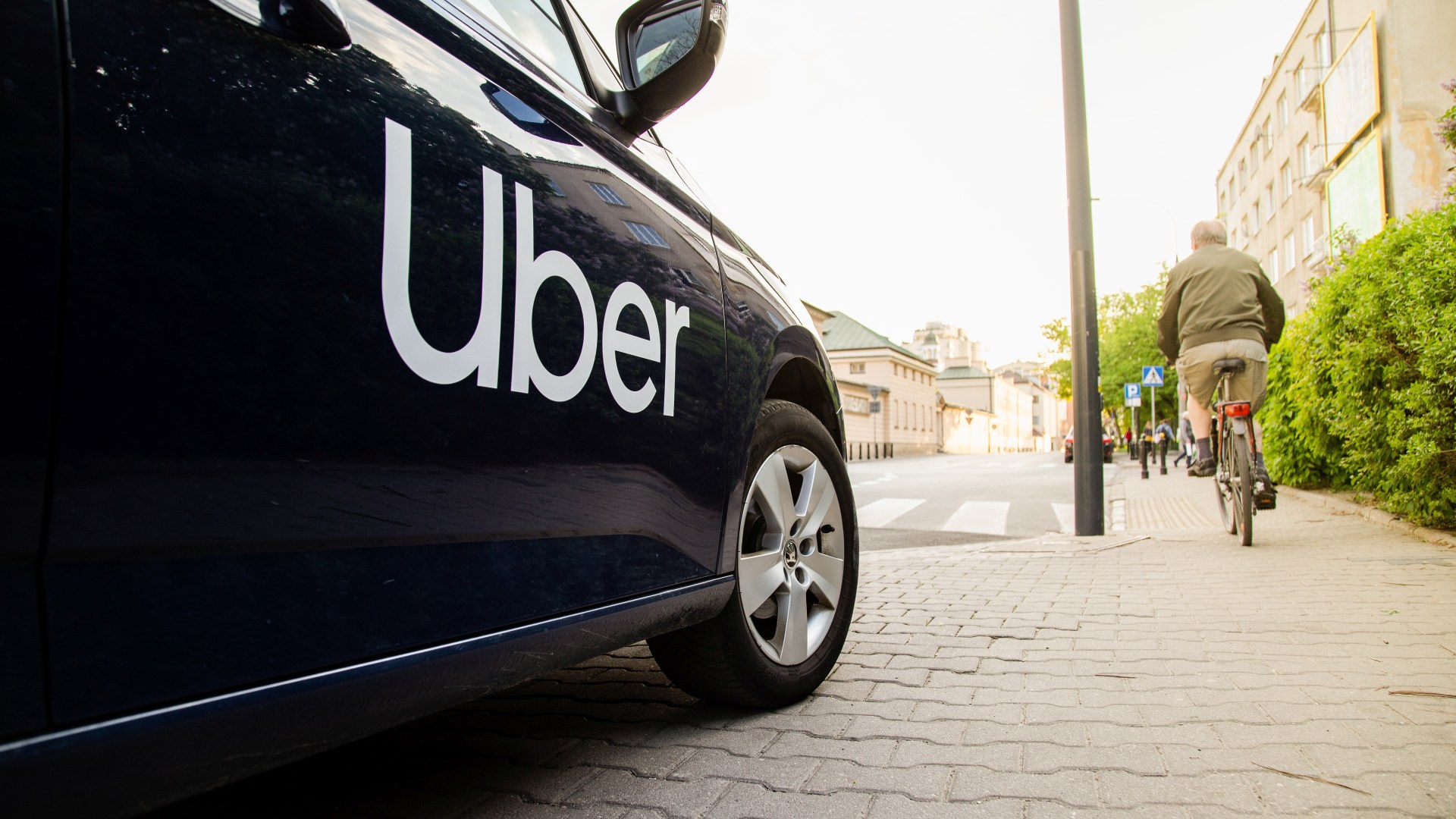
A NEW taxi service has been launched to rival Uber and it is promising to axe controversial dynamic pricing.
Ride Nuff, a new cabbie company, says that a ride on the same route will always cost the same, no matter how busy the roads are.

It says that not only will this benefit customers, but it also means that drivers will get to keep more of the money they earn.
This is because the company takes a flat rate of 50p per ride and will charge its drivers a subscription fee of £30 per week to use the app.
It says this means a driver earns about a third more each month with fares overall.
At the moment, the company is only operating in Central London, North London, East London and Camden Town.


Just like with most other taxi firms, customers have to download the free Ride Nuff app, enter their destination and wait to be matched with a drive.
Uber uses a dynamic pricing model – charging riders when demand for cars spikes relative to the number of drivers available.
The app-based taxi firm changes its prices in real time depending on how many people are trying to book rides and how many drivers are available, so costs can jump during rush hour, bad weather or after big events.
That means a trip that is cheap one minute can suddenly cost far more the next, leaving customers paying over the odds when they need a ride most.
On its website, Uber states that that times when surge pricing is most likely to be introduces is during bad weather, rush hour and special events, when large numbers of people want to request an Uber all at the same time.
An Uber spokesperson said: “More and more private hire drivers choose to earn with Uber because we offer flexibility over where and when they work — and that includes transparency on the destination and how much they will earn on every trip before they decide whether to accept it.
“All drivers on Uber also receive industry-leading benefits including holiday pay and a pension.”
However, Uber isn’t the only ride-hailing app to use surge pricing.
Bolt also uses dynamic pricing to push fares up when demand surges, meaning passengers can be hit with higher prices at the busiest times.
The firm says the system helps get more drivers on the road and balances supply and demand.
What is dynamic pricing?
Dynamic pricing started being employed by airlines in the 1980s and is widely used across the travel and hospitality industry today.
When you’re looking to fork out for something like concert tickets or a holiday, working out whether you can afford it is of the first decisions you have to make.
You don’t want to run the risk of paying for something that pushes you over your budget.
But dynamic pricing can make this process a lot harder than it needs to be.
Which companies use surge pricing?
Ticketmaster
Ticketmaster is a website and app which sells tickets for concerts and other live entertainment events.
It does not set the price of tickets, instead allowing promoters and artists to decide on the price of concerts themselves.
A spokesperson for the company previously told The Sun it uses dynamic pricing when demand for artists is higher as it offers them more value and discourages touts from cashing in.
But the pricing model has seen music fans paying over the odds on tickets for popular bands and musicians including Oasis and Bruce Springsteen.
Airbnb
Airbnb is a platform where property owners can advertise rooms or entire homes for an agreed price.
Prices vary depending on what time of year you’re staying, and of course, the location.
But the platform also has a “Smart Pricing” feature which hosts can trigger that automatically changes the price of their accommodation based on demand.
The website says the tool is helpful to “optimise pricing without constantly monitoring it”.
And while it means customers may pay lower prices during quieter periods, they could have to fork out more at times of high demand.
A spokesperson for the company previously told The Sun that hosts are “always responsible for their price and they can adjust their nightly prices at any time”, which included switching off or overriding Smart Pricing.
Ubitricity and Genie Point
Three electric vehicle charging companies charge customers different prices depending on what day they plug in.
Ubitricity, part of The Shell Group, started hiking prices for customers during peak hours in January 2023.
Do you have a money problem that needs sorting? Get in touch by emailing [email protected].
Plus, you can join our Sun Money Chats and Tips Facebook group to share your tips and stories