(CNS): The Cayman Islands Government has set aside CI$5.6 million in this year’s budget to establish a dedicated migrant detention and processing site for multi-agency operations. The site, which is located on Crown land in the Fairbanks area of George Town, is home to the women’s prison, the regular detention centre and the old immigration unit.
With the threat of a surge in irregular migrants from Cuba, the CIG is adopting a phased and flexible delivery approach that will include modular units and enable the site to be used for other national emergencies, according to Home Affairs Minister Nickolas DaCosta.
Answering a parliamentary question asked by opposition MP Roy Tatum (RED) last month, DaCosta gave a lengthy answer about plans for a migrant camp, which was first revealed in a press release in February. The minister said the project is in active development. Preliminary site preparation works have been completed, including land clearance and grading, and a formal business case has been established to guide delivery. Procurement and implementation planning are underway, he said.
“Given the unpredictable nature of migration flows, and the current geopolitical tensions affecting migration patterns within the region, the government is adopting a phased and flexible delivery approach measured against this highly unpredictable risk,” DaCosta said.
“In the immediate term, this includes the deployment of a modular, rapidly deployable accommodation solution comprising prefabricated, containerised units with integrated basic living, sanitation, and support facilities. These systems can be transported efficiently, assembled within a short timeframe, and operated either connected to existing utilities or independently where required.”
The minister said this allows for the timely establishment of controlled, centralised accommodation capacity, while longer-term infrastructure solutions may be considered by the government based on evolving risk.
“At this stage, the government is prioritising a modular and scalable infrastructure solution, which provides the flexibility to respond to fluctuating migration patterns in a cost-effective and timely manner. This approach reduces the immediate need for large-scale permanent construction, while preserving the option for longer-term infrastructure should future demand require it,” he added.
DaCosta said he did not have a comprehensive timeline for full delivery, but the modular solution allows for an accelerated timeframe, with an estimated delivery and installation period of eight to twelve weeks from the point of procurement, enabling border control to respond to any surge.
While the goal is to accommodate up to 240 people, the use of modular units means the government can expand the camp, which is on a five-acre site, within weeks in the event of a serious influx of people.
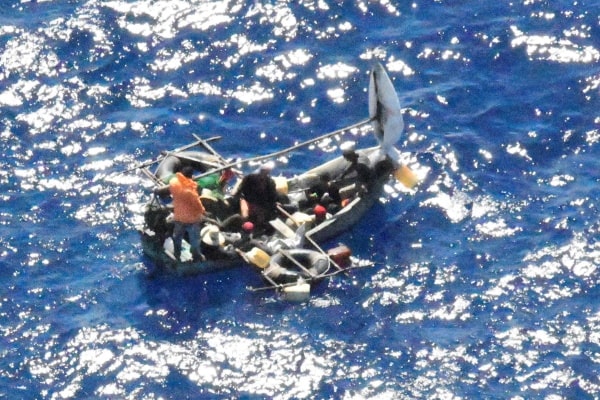
Despite the pressure being put on the Cuban government by the Trump administration, including an oil blockade, there has been no surge in migrants so far this year. However, the US is not letting up pressure, and military intervention has not been taken off the table, which means the situation could unravel at any time.
However, even if the surge never materialises, the investment in the modular camp will not be wasted. DaCosta said it can be used in other circumstances as a multi-purpose national asset, capable of being reconfigured and redeployed for emergency response, disaster relief, or accommodation of low-risk detainees, ensuring long-term value. “This project forms part of a proactive and responsible approach to managing a clearly identified national risk in a structured, secure, and humane manner,” he added.
Watch the question and answer in the CIGTV video below: