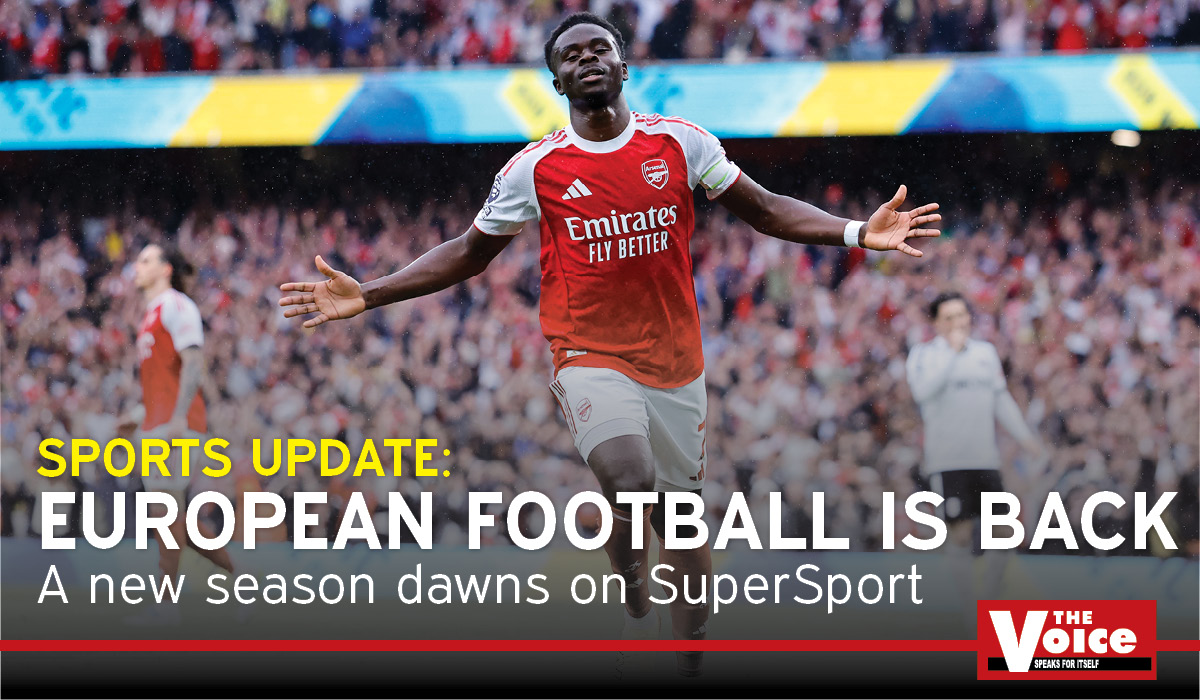
*A new season dawns on SuperSport
The wait is over. After a spectacular 2026 FIFA World Cup, European football roars back to life as SuperSport on DStv delivers wall-to-wall action to launch the 2026/27 season.
From curtain-raising showpieces to the opening rounds of the continent’s biggest leagues, fans can expect a relentless feast of elite football in the weeks ahead.
The new campaign kicks off in style with the UEFA Super Cup, where Paris Saint-Germain look to continue their dominance on the continental stage.
Having secured back-to-back UEFA Champions League titles, the French giants now have their sights set on lifting the Super Cup for a second successive year.
Standing in their way are Aston Villa, a side that has risen impressively in European competition and will relish the chance to upset one of the game’s modern powerhouses.
It’s a clash that perfectly blends pedigree with ambition and sets the tone for what’s to come.
Attention then shifts to the traditional English season opener, the FA Community Shield, staged in Cardiff this year.
Premier League champions Arsenal meet FA Cup winners Manchester City in a heavyweight encounter that offers an early glimpse into the balance of power in England.

For City, it marks the beginning of a new era under Enzo Maresca, while Arsenal will be eager to underline their status as the team to beat. Expect intensity, quality and a strong statement of intent from both sides.
Across Spain, La Liga returns with its opening round of fixtures, offering fans an early look at the teams ready to shape the new season.
With Real Madrid, Barcelona, and Atletico Madrid granted extended rest following Spain’s World Cup triumph, the spotlight falls on the rest of the league to seize the early momentum.
It’s an opportunity for emerging contenders and established challengers alike to make their mark and set the pace before the giants rejoin the race.
The Premier League also bursts into life with a compelling opening weekend.
Champions Arsenal begin their title defence at home against promoted Coventry, a fixture that captures the essence of English football: ambition meeting expectation.
Across the round, there’s a blend of historic rivalries, fresh narratives and new beginnings, ensuring that the drama starts from the very first whistle.
Italy’s Serie A joins the action at the same time, adding another layer to an already stacked schedule.
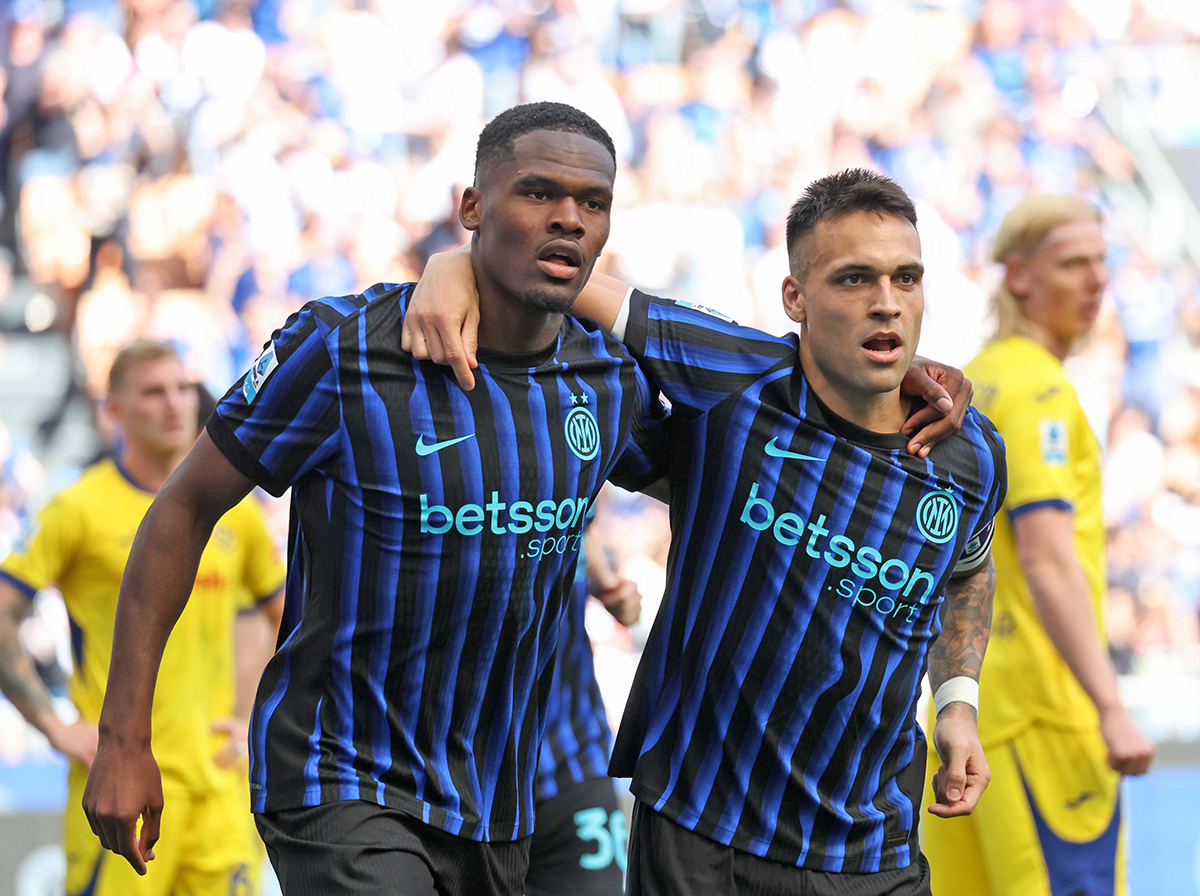
Inter Milan launch their title defence against Monza, determined to carry their dominance into the new season.
With traditional heavyweights and ambitious challengers all in the mix, the Italian top flight promises its usual blend of tactical intrigue and high-stakes competition.
From Paris to Cardiff, from Spain to England and Italy, the new European football season arrives with unmatched excitement.
SuperSport on DStv is your home for it all: every pass, every goal, every moment. The game is back, and everything can wait.
Broadcast details
All times CAT
UEFA Super Cup
Wednesday 12 August
21:00: Paris Saint-Germain v Aston Villa – LIVE on SuperSport Premier League, SuperSport Africa 1 and SuperSport Maximo 1
La Liga, Matchday 1
Saturday 15 August
19:30: Alaves v Getafe – LIVE on SuperSport La Liga and SuperSport Maximo 1
21:30: Sevilla v Rayo Vallecano – LIVE on SuperSport La Liga and SuperSport Maximo 1
Sunday 16 August
17:00: Racing Santander v Villarreal – LIVE on SuperSport La Liga
19:00: Espanyol v Levante – LIVE on SuperSport La Liga and SuperSport Maximo 1
21:30: Celta v Osasuna – LIVE on SuperSport La Liga
Monday 17 August
21:00: Deportivo v Elche – LIVE on SuperSport La Liga and SuperSport Maximo 1
FA Community Shield
Sunday 16 August
16:00: Arsenal v Manchester City – LIVE on SuperSport Premier League and SuperSport Maximo 1
La Liga, Matchday 2
Thursday 20 August
21:00: Rayo v Alaves – LIVE on SuperSport La Liga and SuperSport Maximo 1
Friday 21 August
21:00: Betis v Sociedad – LIVE on SuperSport La Liga
Saturday 22 August
17:00: Athletic v Sevilla – LIVE on SuperSport La Liga
19:30: Valencia v Celta – LIVE on SuperSport La Liga
21:30: Espanyol v Real Madrid – LIVE on SuperSport La Liga
Sunday 23 August
17:00: Atletico v Villarreal – LIVE on SuperSport La Liga
19:30: Getafe v Racing – LIVE on SuperSport La Liga
21:30: Elche v Barcelona – LIVE on SuperSport La Liga
Monday 24 August
19:30: Osasuna v Levante – LIVE on SuperSport La Liga
21:30: Malaga v Deportivo – LIVE on SuperSport La Liga
Premier League, Matchday 1
Friday 21 August
21:00: Arsenal v Coventry – LIVE on SuperSport Premier League
Saturday 22 August
13:30: Hull v Man United – LIVE on SuperSport Premier League
16:00: Ipswich Town v Sunderland – LIVE on SuperSport Premier League
16:00: Everton v Palace – LIVE on SuperSport Action
16:00: Forest v Leeds – LIVE on SuperSport Action
18:30: Brentford v Tottenham – LIVE on SuperSport Premier League and SuperSport Maximo 1
Sunday 23 August
15:00: Man City v Bournemouth – LIVE on SuperSport Premier League
15:00: Brighton v Villa – LIVE on SuperSport Action and SuperSport Action
17:30: Newcastle v Liverpool – LIVE on SuperSport Premier League and SuperSport Maximo 1
Monday 24 August
21:00: Fulham v Chelsea – LIVE on SuperSport Premier League and SuperSport Maximo 1
Serie A, Matchday 1
Saturday 22 August
18:30: Udinese v Como – LIVE on SuperSport Variety
18:30: Inter v Monza – LIVE on SuperSport Football, SuperSport Africa 2
20:45: Parma v Cagliari – LIVE on SuperSport Variety
20:45: Genoa v Napoli – LIVE on SuperSport Football and SuperSport Africa 2
Sunday 23 August
18:30: Venezia v Lecce – LIVE on SuperSport Variety
18:30: Frosinone v Juventus – LIVE on SuperSport Football and SuperSport Africa 2
20:45: Torino v Milan – LIVE on SuperSport Football and SuperSport Africa 2
20:45: Atalanta v Sassuolo – LIVE on SuperSport Variety
Monday 24 August
18:30: Bologna v Lazio – LIVE on SuperSport Football and SuperSport Africa 2
20:45: Roma v Fiorentina – LIVE on SuperSport Football, SuperSport Africa 2