Coreia do Norte

평양의-건강식품-매장에-있는-약초들.jpg
Coreia do Norte, Daily NK, Inglês
2026-05-15 22:07:59
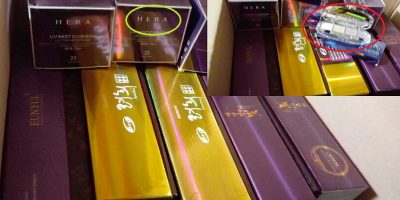
Medicinal plants on offer at a health food store in Pyongyang. Image: Daily NK North Korea has mobilized medical students at universities across North Pyongan province to collect medicinal herbs, drafting them into a state-driven push to expand production of koryo medicine (traditional Korean herbal medicine) amid chronic shortages of modern pharmaceuticals. A Daily NK source in North Pyongan province said Wednesday that students at Sinuiju Medical University and other health-related institutions in the province have been sent out to gather herbs since late April, with the designated “herb collection period” running through mid-May. Medical universities and affiliated institutions maintain their own herb gardens and conduct collection drives every spring and autumn. According to the source, schools are framing the mobilization as “field practice” while cutting regular classes to send students out in large numbers to mountains and fields. The mobilization follows a clear division of labor by year of...
Kim_Il-sung_University_computer_room_Wikipedia-Commons.jpg
Coreia do Norte, Daily NK, Inglês
2026-05-15 15:43:54
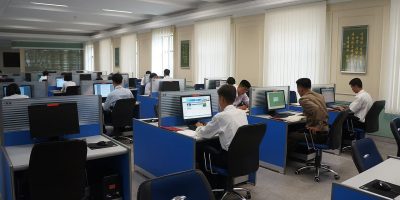
A computer center at Kim Il Sung University in Pyongyang. Photo: Uri Tours (CC BY 2.0) North Korea’s ruling Workers’ Party of Korea (WPK) central committee ordered a full replacement of staff managing foreign student dormitories at Kim Il Sung University after male students broke into the facilities without authorization in early April. A Daily NK source in Pyongyang said Wednesday that the central committee issued a directive early this month ordering a comprehensive overhaul of the university’s system for housing and managing foreign students. The order came directly in response to the unauthorized dormitory entry incident. Kim Il Sung University, located in Pyongyang, is North Korea’s most prestigious institution of higher learning and the country’s flagship state university. Its foreign student dormitories house international students, making access control a politically sensitive matter for the regime. “Access control for foreign student dormitories is an extremely sensitive issue because it involves...
화물차-위-군인들-1.jpg
Coreia do Norte, Daily NK, Inglês
2026-05-15 09:16:02
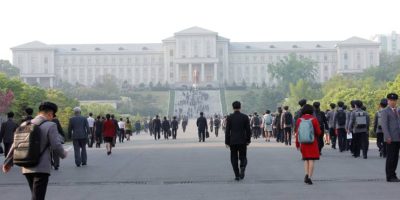
North Korean soldiers head to a construction site on a cargo train. Image: Daily NK Two young men in their 20s from Haeju city in South Hwanghae province built a lucrative illegal freight operation by smuggling goods aboard train cargo cars, only to be arrested by the Ministry of Social Security and then released after paying massive bribes to officials. A Daily NK source in South Hwanghae province said Thursday that the two men had registered as “8.3 workers” with a youth work brigade at the Haeju Railroad Corps, a status that formally exempts workers from regular workplace attendance in exchange for paying a quota to their work unit. Rather than doing any actual work, they used the arrangement as cover to move freely in and out of freight cars, known colloquially as “bread boxes,” running hundreds of kilograms of goods including home appliances, Chinese clothing, and premium food items...
openverse-f9157f4d-d37b-4c01-9fd2-dfdf673534d6.jpg
Coreia do Norte, Daily NK, Inglês
2026-05-15 02:49:41
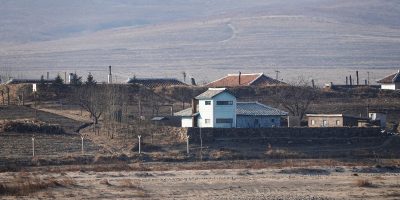
Farmers at Tongbong Cooperative Farm in Chigyong, South Hamgyong province, North Korea, June 2014. (Photo: Clay Gilliland/Flickr) North Korea has ordered a mass mobilization for the rice transplanting season in North Pyongan province even as some farms in the region have yet to begin planting due to poor seedling conditions caused by spring drought and erratic temperatures. A Daily NK source in North Pyongan province said Thursday that mobilization orders reached farms in Yomju county on May 7, directing all available labor to report for agricultural work. Yet some farms have quietly pushed back their planting schedules because the seedlings have not grown adequately in their nursery beds. North Korea’s state media uses the term “rice transplanting battle” for this annual campaign, which typically runs from early to mid-May through early June. During this period, authorities deploy soldiers, workers, housewives, and students to farms across the country to compensate for...
Translate »